
PTFE Envelope Gaskets
PTFE Envelope Gaskets & PTFE Sealing Rings – Reliable Sealing Solutions for Industrial Applications
With a focus on precision and reliability, KAF Seal Inc. provides PTFE envelope gaskets and PTFE sealing rings that perform flawlessly in food, pharmaceutical, chemical, and industrial systems. Engineered for challenging environments, our seals help maintain contamination-free operations and ensure optimal system efficiency.
With a focus on precision and reliability, KAF Seal Inc. provides PTFE envelope gaskets and PTFE sealing rings that perform flawlessly in food, pharmaceutical, chemical, and industrial systems. Engineered for challenging environments, our seals help maintain contamination-free operations and ensure optimal system efficiency.
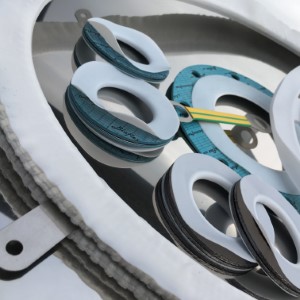
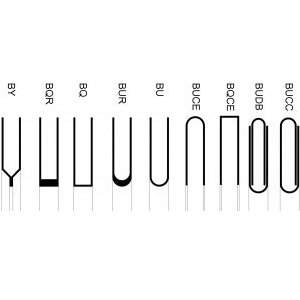
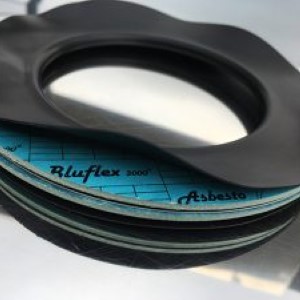
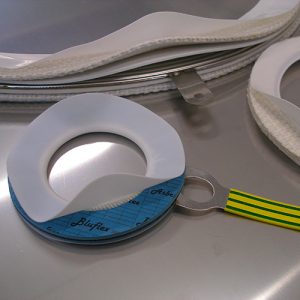
The materials commonly used in the field of industrial sealing (as rubber or non-asbestos with aramid fibre and elastomeric filler), usually doesn’t fit all the required standards of strength, width, chemical and mechanical resistance that certain application could require.
KAF-SEALS is a pioneer in the envelope gaskets industry and we have reached the highest quality standards, using innovative materials, advanced technologies and a qualified work force. Every type of gasket is studied and projected to fulfil the highest needs of a constantly evolving market.
THE PTFE EXTERNAL ENVELOPE
Commonly named “envelope”, it has the purpose of protecting the internal part of the gasket from the substances which they are in contact with; these envelop are mostly made of:
- Virgin PTFE KAF FLON 1000;
- Modified PTFE KAF FLON 1075;
- Antistatic/Conductive PTFE KAF FLON 1022;
- Modified/Antistatic/Conductive PTFE KAF FLON 1023;
All the enlisted materials are complying with the US law: FDA, Food and Drug Administration, department of Health and Human Services, Code of Federal Regulations 21 CFR Ch.1; USA regulations sections 177.1550 (a) (1) and (b) Perfluorocarbon Resins;
There is different type of envelop due to the applications and the customers desires, in case of big diameters and small quantities the cost could be too high so we could weld the sealing in one point.
The welding process are done to the “head” without overlapping the two PTFE parts; the perfect execution of the welding is ensured by using the correct parameters of temperature, pressure and time in activity of the part to be welded. Destructive and non-destructive trials are done frequently to homologate the welding process.
What Are PTFE Envelope Gaskets?
PTFE envelope gaskets are specially engineered sealing rings designed to combine chemical resistance with mechanical strength. They are ideal for systems where pure PTFE alone cannot provide the necessary flexibility or resilience.
These gaskets are composite structures made of two main components:
1. Protective PTFE Outer Layer
- Provides excellent chemical protection
- Offers a smooth, non-stick sealing surface
- Prevents media contamination and ensures hygienic operation
2. High-Strength Inner Core
Delivers compression, flexibility, and mechanical stability
Available core materials:
- EPDM: Ideal for applications involving steam and hot water, providing excellent resilience and durability under repeated thermal cycles.
- Silicone: It offers high purity and superior flexibility, making it suitable for sterile and hygienic environments.
- Neoprene: It is a reliable general-purpose sealing material that is resistant to oils and moderate chemicals.
- Viton: Delivers exceptional resistance to aggressive chemicals and maintains stability at high temperatures.
- Soft rubber: It offers versatile sealing performance, adapting well to a wide range of flange surfaces.
- CNAF (Compressed Non-Asbestos Fibre): It is designed for higher-pressure applications, ensuring strength and reliable sealing.
- Metal cores: They are used for extremely high-pressure systems, offering maximum load-bearing capacity and structural support.
The PTFE envelope isolates the core from direct contact with fluids, making these gaskets a reliable choice for corrosive, high-purity, and hygienic environments. This design also helps maintain sealing integrity over time while reducing the risk of material degradation in demanding process conditions.
Why PTFE Envelope Gaskets Are Used
PTFE is known for its excellent chemical resistance and ability to handle aggressive fluids. However, when used alone, PTFE lacks the elasticity required for consistent flange sealing. This limitation is addressed through the design of PTFE envelope gaskets, which combine protection with flexibility.
Key reasons industries prefer this sealing solution:
- The PTFE outer layer shields the gasket from corrosive and reactive media
- An internal core supports flexibility and helps achieve uniform flange contact
- The sealed structure reduces the risk of product contamination
- The smooth surface withstands frequent CIP and SIP cleaning cycles
- The sanitary finish supports use in high-purity process lines
Because of these benefits, PTFE envelope gaskets are widely selected for applications that demand chemical resistance, hygiene, and long-term sealing reliability.
Types of PTFE Envelope Gaskets We Manufacture
Our range of PTFE envelope gaskets is designed to meet varied pressure, temperature, and chemical handling requirements across industries. Each type is manufactured with precision to ensure reliable sealing performance.
1. Slit (V-Type) PTFE Envelope Gasket
This is the most widely used design, where the PTFE jacket neatly encloses the inner core. It performs well in low to moderate pressure conditions and allows easy customization for different flange sizes.
- Flexible construction
- Cost-effective sealing option
- Suitable for standard industrial applications
2. Milled (Machined) PTFE Envelope Gasket
In this type, PTFE is precisely machined to fit the core securely. This improves dimensional accuracy and ensures stable sealing, even in demanding chemical environments.
- Better sealing consistency
- Improved resistance to aggressive media
- Suitable for higher temperatures
3. PTFE Sealing Rings
Also known as PTFE O-ring type rings, PTFE sealing rings are circular seals used for groove and flange applications. They are commonly installed in reactors, tanks, and pharmaceutical processing equipment.
- Uniform round profile
- Reliable static sealing
- Suitable for high-purity environments
4. Solid PTFE Gaskets
Manufactured entirely from PTFE, these gaskets are mainly used for static sealing where elasticity is not a primary requirement. They offer strong chemical resistance but limited flexibility.
- Pure PTFE material
- Ideal for non-moving flange joints
- Lower recovery compared to envelope designs
Core Materials Available
The sealing efficiency of PTFE envelope gaskets largely depends on the choice of inner core. Each core material is selected based on operating temperature, pressure, and media conditions. The right core helps maintain uniform compression across the flange surface. It also improves sealing reliability during thermal cycling and pressure fluctuations.
- EPDM Core
Commonly used in steam, hot water, and CIP systems, EPDM offers consistent elasticity and long-term performance. It is widely preferred in food and pharmaceutical processing environments. - Silicone Core
Silicone cores are chosen for applications that demand high purity and flexibility. They perform well in sterile and sanitary conditions where cleanliness is critical. - Viton Core
Known for its strong resistance to chemicals, Viton maintains sealing stability at elevated temperatures. It is suitable for demanding chemical processing applications. - Neoprene Core
This core material provides dependable general-purpose sealing. It resists oils and moderate chemicals, making it suitable for a wide range of industrial uses. - CNAF / Asbestos-Free Fibre Core
Designed for higher pressure conditions, CNAF cores offer strength and dimensional stability. They are commonly used in industrial chemical pipelines. - Metal Core
Metal cores are selected for applications involving extremely high pressure and heavy loads. They are often used in reactors, pipelines, and heavy-duty industrial systems.
PTFE Envelope Options
The outer envelope plays a critical role in protecting the core and ensuring chemical compatibility. In PTFE envelope gaskets, this layer acts as a barrier between the process media and the internal sealing material. Its smooth and inert surface also supports hygienic sealing in sensitive process applications.
- Offers good material clarity and a smooth sealing surface
- Provides excellent resistance to a wide range of chemicals
- Performs reliably within a temperature range of -30°C to +205°C
- Suitable for food processing and pharmaceutical applications where cleanliness is essential
Temperature & Pressure Ratings
PTFE envelope gaskets are designed to perform reliably across a wide range of operating conditions. Their temperature and pressure limits depend on the selected core material and application requirements.
- Temperature from -30°C to +205°C depending on material selection
- Pressure up to 40 bar based on the core and flange conditions
- Compatibility with nearly all chemicals and process fluids
Advantages of PTFE Envelope Gaskets
- Non-reactive PTFE surface: Provides an inert, smooth, and non-stick sealing surface that prevents contamination.
- Elastic core: Ensures proper flange conformity and consistent sealing performance.
- FDA and food-grade compliance: Suitable for applications in food processing and pharmaceutical industries.
- Chemical compatibility: Resistant to a wide range of chemicals, ensuring reliable performance.
- No swelling or sticking: Maintains shape and performance even in aggressive media.
- Ideal for glass-lined and enamelled equipment: Protects sensitive surfaces while providing effective sealing.
- High purity: Prevents contamination in hygienic and sterile systems.
- CIP/SIP resistant: Withstands repeated cleaning cycles without compromising integrity.
- Long service life: Designed for durability and minimal maintenance over time.
This combination of properties makes PTFE envelope gaskets a dependable solution for industrial, pharmaceutical, and food-grade applications. Their robust design ensures minimal downtime and consistent sealing efficiency.
Limitations of PTFE Envelope Gaskets
While PTFE envelope gaskets offer excellent chemical resistance and flexibility, caution is needed in certain conditions. Understanding these limitations ensures reliable and long-lasting performance.
- Extremely high dynamic loads
These gaskets are not recommended for applications with continuous or very high dynamic stresses, as repeated movement can compromise the seal. - Flange surface requirements
Uniform and smooth flange surfaces are essential for proper sealing. Uneven surfaces may cause leaks or reduce gasket lifespan. - Creep under high stress
PTFE can deform over time under high stress, potentially affecting sealing performance. - High bolt load limitations
Without a metal core, these gaskets are not suitable for systems requiring extremely high bolt loads.
By keeping these factors in mind, PTFE envelope gaskets can be effectively applied in most industrial, chemical, and hygienic systems while maintaining durability and sealing efficiency.
Applications of PTFE Envelope Gaskets
PTFE envelope gaskets are widely used in industries where chemical resistance, hygiene, and leak-free performance are critical. Their versatile design allows them to handle aggressive media while maintaining purity and system integrity.
1. Food & Beverage Processing
- Dairy lines: Ensures safe, contamination-free transfer of milk and dairy products.
- Juice processing plants: Protects equipment from acidic fluids while maintaining hygiene.
- CIP return lines: Withstands cleaning-in-place cycles without compromising sealing performance.
2. Pharmaceutical Manufacturing
- Sterile transfer lines: Maintain high purity during the transfer of sensitive fluids.
- Bioreactors: Provide reliable sealing to prevent leaks and contamination.
- Clean utilities: Ensures hygienic operation in water and steam systems.
3. Chemical Processing
- Acid and alkali transfer: Resists aggressive chemical media for safe handling.
- Solvent systems: Maintains seal integrity in harsh chemical environments.
- Aggressive chemical reactors: Supports reliable operation under extreme chemical exposure.
4. Water Treatment & Desalination
- Chlorine-resistant applications: Protects pipelines in dosing systems against corrosion.
- Dosing lines: Ensures accurate chemical handling with long-term reliability.
5. Oil & Gas / Marine
- Corrosion-resistant flange sealing: Prevents leaks in pipelines exposed to saltwater and chemicals.
6. Industrial Processing
- Glass-lined pipelines: Protect sensitive surfaces while providing effective sealing.
- Powder handling: Maintains airtight seals to prevent contamination.
- Corrosive slurries: Delivers reliable performance with abrasive and corrosive media.
These diverse applications demonstrate why PTFE envelope gaskets are trusted across industries that demand durability, chemical resistance, and hygiene. Their design ensures minimal maintenance while providing long-term sealing efficiency.
Industries We Serve
- Pharmaceuticals: Provides hygienic, contamination-free sealing in sterile process lines and bioreactors.
- Food & Beverage: Maintains high purity and resists acids and chemicals in processing and packaging systems.
- Chemical Process Industry: Ensures reliable sealing in aggressive chemical transfer and reactor applications.
- Water Process Industry: Offers corrosion-resistant sealing for dosing, filtration, and desalination systems.
- Oil & Gas: Delivers durable and chemical-resistant sealing for pipelines, valves, and high-pressure applications.
- Marine: Protects equipment from corrosive saltwater exposure and harsh marine chemicals.
- Biotech: Maintains sterile and safe process conditions in sensitive biotech operations.
- Cosmetic Manufacturing: Prevents contamination and ensures consistent product quality in processing lines.
- Petrochemical: Provides high-performance sealing for chemical handling and processing pipelines.
- Pulp & Paper: Resists chemicals used in pulping and bleaching processes while ensuring leak-free operation.
- Mining: Provides robust sealing in abrasive, corrosive slurry transfer systems.
These industries rely on PTFE envelope gaskets for their combination of chemical resistance, flexibility, and durability. Their application ensures minimal maintenance and long-term operational efficiency across challenging industrial environments.
Sizing & Profiles Available
PTFE envelope gaskets are available in a variety of standard and custom sizes to meet diverse industrial requirements. Precision manufacturing ensures reliable sealing across different flange standards and equipment types. Choosing the right size and profile is essential for optimal performance and leak-free operation.
1. Standard Sizes
- DIN: Commonly used for European flanges, ensuring compatibility with international equipment.
- ANSI: Suitable for American standard flanges across multiple industries.
- BS: British Standard sizes for industrial applications.
- JIS: Japanese Industrial Standard flanges for process lines.
- IS standards: Indian Standard sizes for local and industrial applications.
2. Custom Shapes
- Round: Ideal for standard circular flanges and tanks.
- Square: Suited for non-circular sealing surfaces in specialized equipment.
- Oval: Provides flexibility for uniquely shaped flanges or piping.
- Rectangular: Used in custom process lines requiring elongated sealing surfaces.
- Custom profile rings: Manufactured to precise drawings for specialized applications.
3. Thickness Options
- 1 mm to 10 mm: Standard range to meet most industrial requirements.
- Custom thickness: Available for specialized sealing conditions and pressure requirements.
4. Diameter Range
- ½ inch to 48 inch: Covers most common flange diameters in process industries.
- Larger sizes: Available on request for oversized equipment and custom installations.
By offering a wide range of sizes, shapes, and thicknesses, PTFE envelope gaskets can be tailored for virtually any industrial application. Customization ensures maximum sealing efficiency, reliability, and durability across all systems.
Comparison: PTFE Envelope Gaskets vs Solid PTFE Gaskets
When selecting a gasket, understanding the differences between PTFE envelope gaskets and solid PTFE gaskets is essential. Each type has unique characteristics that make it suitable for specific applications. This comparison helps in choosing the right sealing solution based on chemical resistance, flexibility, and operating conditions.
| Property | PTFE Envelope Gasket | Solid PTFE Gasket |
|---|---|---|
| Elasticity | Excellent due to the elastomer core | Low, rigid and less flexible |
| Chemical Resistance | Excellent, compatible with most chemicals | Excellent, resists most chemicals |
| Cost | Medium | Medium |
| High Pressure | Good | Good |
| Flange Conformity | Better, adapts to flange irregularities | Moderate, less adaptive |
| Longevity | High, due to core support and durability | High, long-lasting material |
Choosing the right gasket type ensures reliable sealing performance in chemical, food, and pharmaceutical applications. PTFE envelope gaskets are preferred when flexibility and high-purity media handling are critical, while solid PTFE gaskets are ideal for static, rigid sealing needs.
Installation Guidelines for PTFE Envelope Gaskets
Proper installation ensures PTFE envelope gaskets perform reliably and maintain leak-free sealing over time. Following these guidelines reduces the risk of damage and improves gasket longevity.
- Step 1: Prepare the Flange Surfaces
Ensure all flange surfaces are clean, smooth, and free from debris or corrosion to prevent uneven sealing. - Step 2: Position the Gasket
Place the gasket centrally on the flange, ensuring it aligns properly with the bolt holes and sealing surfaces. - Step 3: Gradual Bolt Tightening
Tighten bolts slowly in a star or crisscross pattern to ensure even compression across the gasket surface. - Step 4: Avoid Over-Compression
Do not exceed recommended torque values, as excessive pressure can cause PTFE to creep or deform. - Step 5: Protect Edges
Avoid sharp edges that can cut or damage the PTFE envelope during installation. - Step 6: Special Considerations for Glass-Lined Equipment
Use lower torque loads on glass-lined or delicate surfaces to prevent damage while maintaining an effective seal. - Step 7: Periodic Inspection
Regularly check for wear, deformation, or chemical attack to ensure continued gasket performance.
Following these steps ensures long-lasting, leak-free operation in industrial, chemical, and hygienic applications. Proper installation also minimizes maintenance and ensures consistent performance of PTFE envelope gaskets under challenging conditions.
Order & Specification Details
To ensure the correct PTFE envelope gasket for your application, providing detailed specifications is essential. Clear information helps our engineers recommend the best gasket for performance, durability, and compatibility.
When placing an order, please provide:
- Size (ANSI/DIN/Custom): Specify the flange standard or custom dimensions to match your equipment.
- Envelope type (FEP/PFA/PTFE): Indicate the PTFE material for chemical resistance and hygiene requirements.
- Core material (EPDM/Silicone/Viton/etc): Select the core based on temperature, pressure, and media conditions.
- Thickness: Provide the required gasket thickness for proper compression and sealing.
- Temperature and pressure conditions: Share operating conditions to ensure material compatibility and performance.
- Media handled (chemicals, steam, solvents, CIP fluid): Specify the fluids the gasket will contact to optimize material selection.
- Quantity: Mention the number of gaskets required for your project or system.
- Application details: Include process type and any special requirements for accurate recommendation.
- CAD drawing (optional): Providing a CAD drawing helps produce precise custom gaskets.
Providing these details ensures a fast, accurate, and reliable supply of PTFE envelope gaskets. This information helps achieve leak-free operation and long-term performance in your systems.
Why Choose KAF Seal Inc.
At KAF Seal Inc., we focus on delivering high-performance PTFE envelope gaskets and sealing solutions that meet demanding industrial standards. Our commitment to quality and precision ensures reliable, leak-free performance in every application. With decades of experience, we understand the requirements of chemical, pharmaceutical, food, and industrial processing systems.
What sets us apart
- High-quality PTFE envelope gasket manufacturer:
We produce gaskets with precision and consistency, ensuring durability and effective sealing. Each gasket undergoes strict quality checks to meet industry standards. - Official distributor of Vulcan Engineering:
As a trusted distributor, we provide authentic, certified products that perform consistently in industrial applications. Our partnership gives access to advanced sealing technology. - Precision-machined gaskets for leak-free sealing:
Each gasket is engineered for proper flange conformity, reducing the risk of leaks. Precision machining ensures uniform thickness, smooth surfaces, and reliable compression. - Custom sizes and core combinations available:
We offer tailor-made solutions to meet specific temperature, pressure, and chemical compatibility requirements. Our flexibility ensures that every application receives an optimal gasket. - Fast delivery and bulk availability:
Large-scale and urgent orders are handled efficiently without compromising quality. We maintain stock for standard sizes and can produce custom orders quickly. - 20+ years in sealing technology:
Our experience and expertise enable us to provide high-quality solutions for a variety of industries. Continuous innovation keeps our products aligned with the latest standards. - Trusted by pharma, food, and chemical industries:
Clients rely on our gaskets for hygienic, contamination-free, and chemically resistant applications. Our products consistently perform in sensitive and demanding environments.
With KAF Seal Inc., you get reliability, quality, and customized solutions for all your sealing needs. Our expertise ensures long-term performance, minimal maintenance, and peace of mind for industrial operations.