In high-heat equipment, door seals must handle constant expansion, movement, and
surface irregularities without losing contact. A tadpole gasket is designed
specifically for
these conditions, providing stable sealing performance where standard gasket shapes
struggle to
perform consistently.
Challenges Standard Gaskets Face:
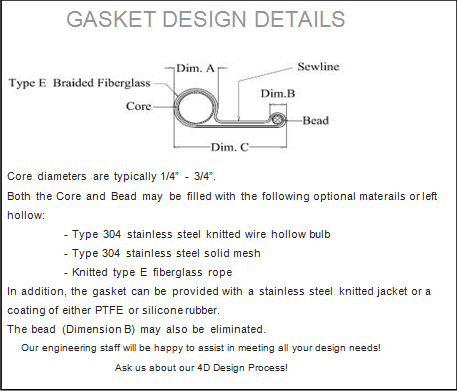
- Bulb (Head)
:The bulb is the soft, rounded section that contacts the door or frame when
the door is
closed. It compresses evenly to block heat and hot gases, even if the
sealing surface is
uneven or slightly distorted.
- Tail (Stem)
: The tail fits into a groove, channel, or retainer and anchors the gasket
firmly in
place. This design keeps the seal correctly aligned during door movement and
thermal
expansion.
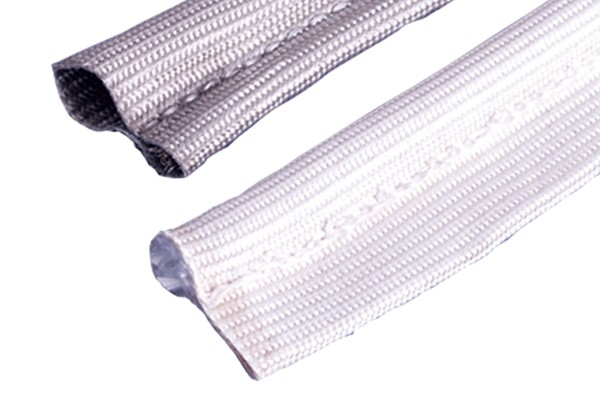
- Outer Jacket / Cover: The outer jacket is a high-temperature-resistant
fabric that
encloses the internal core and forms both the bulb and tail. It faces direct
exposure to
heat, gases, and abrasion, making its material selection critical to overall
performance.
With its flexible design, a tadpole gasket maintains sealing
performance even
after long periods of compression and release.
Detailed Construction Options
1. Bulb Core Types
The bulb core plays a key role in how a tadpole gasket performs under heat,
pressure, and
repeated use. It affects
compression strength, recovery, and temperature resistance. Different core
options are
selected based on operating
conditions.
-
a. Stainless Steel Wire Mesh Core
This core offers strong resilience at high temperatures. It is commonly used
in
furnaces, kilns, and boiler
doors where frequent opening and closing occur. The mesh structure helps the
gasket
retain its shape over
repeated cycles.
-
b. Inconel Mesh Core
Designed for extreme thermal environments, this option provides higher
strength and
better oxidation resistance
than stainless steel. It is suitable for demanding applications operating at
very high
temperatures.
-
c. Fiberglass Soft Core
This core provides good compressibility and flexibility. It works well in
medium to
high-temperature
applications where smooth sealing and easier compression are required.
-
d. Ceramic Fiber Core
Known for its high-temperature capability, this core is ideal for static or
infrequently
opened doors. While it
is less elastic, it performs reliably in continuous high-heat conditions.
-
e. Hybrid Cores (Mesh + Fiber)
Hybrid designs combine the strength of metal mesh with the insulating
properties of
fiber. This balance improves
resilience, thermal stability, and sealing consistency in demanding sealing
conditions.
Choosing the right core helps extend the service life of a tadpole gasket.
Proper selection
also ensures stable
sealing performance across repeated thermal cycles and operating demands.
2. Jacket / Outer Cover Materials
The outer jacket forms the visible surface of a tadpole gasket and is directly
exposed to
heat, hot gases, and
mechanical wear. Its material selection defines the temperature limit,
durability, and
overall sealing performance.
-
a. Fiberglass Fabric Jacket
This jacket is suitable for service temperatures up to around 550°C, with
higher limits
possible during
intermittent exposure. It is a cost-effective choice for general industrial
heating
equipment and offers good
abrasion resistance.
-
b. Silica Fabric Jacket
Designed for higher-temperature environments, this jacket can withstand
service
temperatures up to
approximately 1,000°C. Its lower thermal conductivity compared to fiberglass
makes it
suitable for
high-temperature furnaces and duct systems.
-
c. Ceramic Fiber Cloth Jacket
This option supports very high temperatures, typically up to around 1,260°C
depending on
the grade. It is
commonly used in furnaces, kilns, and incinerators operating under extreme
heat
conditions.
-
d. Graphite-Coated or Vermiculite-Coated Jackets
These coatings enhance abrasion resistance, improve gas sealing, and
increase
durability. They also provide
better protection against hot gases, slag, and surface wear.
-
e. Metallic Foil Reinforced Jackets (Optional)
Metallic foil reinforcement is used when additional mechanical strength and
surface
protection are required.
This option helps extend gasket life in harsh operating environments.
Matching the jacket material to the operating environment improves durability in
a tadpole
gasket. This helps the
seal remain effective even under continuous thermal stress.
Tadpole Gasket Profile Variations
Different equipment designs require different sealing profiles. A tadpole gasket
can be
manufactured in multiple
shapes to suit OEM designs and retrofit applications.
-
Standard Bulb-and-Tail Profile
This profile features a round bulb with a flat tail. It fits easily into
door channels
and is widely used in
furnace and oven door sealing applications.
-
Ribbed Tail Profile
The tail includes ribs or raised sections that improve grip inside the
groove. This
design provides improved
mechanical retention under vibration or movement.
-
Flanged Tail Profile
A wider tail with a flange allows the gasket to be clamped or bolted under a
metal
strip. This option is
preferred when secure fixing is required.
-
Wire-Reinforced Tail Profile
In this design, the tail is reinforced with wire or a rod to resist pull-out
and shear
forces. It is suitable
for doors exposed to frequent operation or higher mechanical stress.
-
Stitched Profiles
The bulb and tail are stitched together using high-temperature thread. These
profiles
are common in flexible,
fabric-based sealing designs.
-
Formed Corners vs. Mitred Corners
Formed or molded corners provide a smooth, continuous sealing path,
improving
performance. Mitred and stitched
corners offer a practical and cost-effective solution for rectangular door
frames.
A carefully selected profile ensures the tadpole gasket seals consistently while
accommodating movement and
thermal changes. Custom options enable you to address complex industrial setups.
Temperature, Pressure, and Environmental Performance
The performance of a tadpole gasket depends mainly on the combination of core
and jacket
materials selected for the
application.
-
Continuous Temperature:
• Fiberglass-based: up to approximately 550°C
• Silica-based: up to approximately 1,000°C
• Ceramic-based: up to around 1,260°C
-
Pressure:
These gaskets are mainly designed for low to moderate differential
pressures, making
them ideal for doors and
enclosure seals rather than high-pressure pipeline flanges.
-
Environment:
They perform reliably in dry heat, hot gases, combustion products, and
furnace
atmospheres. Optional coatings
can be applied to protect against mild chemical exposure or slag, enhancing
durability
in demanding conditions.
This flexibility allows a tadpole gasket to maintain effective sealing across a
wide
temperature range and in
industrial environments.
Where Tadpole Gaskets Are Used
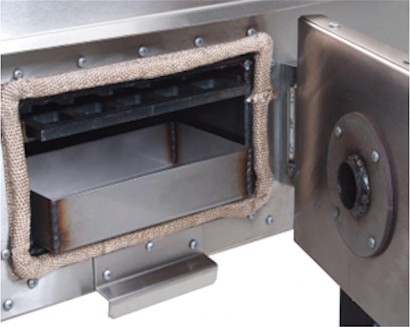
High-temperature equipment often requires seals that can withstand heat,
vibration, and
repeated opening and closing.
Tadpole gaskets provide dependable performance under such conditions, making
them ideal for
a variety of industrial applications.
-
Industrial Heating & Process Equipment
Used on furnace doors, kiln and oven doors, and heat-treatment chamber
closures to
ensure consistent sealing even under extreme heat.
-
Annealing and Tempering Furnaces
Provides reliable seals for high-temperature treatments, protecting internal
environments and maintaining energy efficiency.
-
Industrial Dryers and Curing Ovens
Maintains tight seals on doors and access panels, preventing heat loss and
improving
process consistency.
-
Boilers and Combustion Units
Ideal for boiler access doors, burner doors, inspection hatches, and
incinerators,
keeping hot gases safely contained.
-
Ducts & Exhaust Systems
Seals hot gas ducts, flue gas channels, and thermal oxidizer access panels,
withstanding
high temperatures and corrosive gases.
-
Glass, Metals, and Ceramics Industry
Used on glass melting equipment, foundry and casting unit doors, and ceramic
or
refractory firing kilns to maintain proper thermal control.
This design ensures that a tadpole gasket adapts to surface irregularities while
maintaining
a secure and reliable seal, even in demanding high-heat environments.
Advantages of Tadpole Gaskets in Door Sealing
For doors, hatches, and access panels exposed to high heat, a tadpole gasket
offers
flexibility, durability, and thermal protection.
Its innovative design helps maintain a secure seal even under challenging
conditions.
-
Adapts to Warped or Distorted Door Frames
The flexible bulb and tail design allow the gasket to conform to uneven or
misaligned
surfaces, ensuring a reliable seal.
-
Maintains Seal During Thermal Expansion and Contraction
Compensates for temperature-induced changes in door or frame materials,
preventing gaps
and leakage.
-
Absorbs Vibration and Mechanical Movement
The compressible design reduces stress on both the door and the gasket,
maintaining
sealing efficiency over time.
-
Extended Service Life
Compared to flat fiber gaskets, a tadpole gasket offers longer durability
under repeated
cycles and high-heat conditions.
-
High-Temperature Performance
Resistant to extreme heat with minimal degradation, making it suitable for
furnaces,
kilns, and ovens.
-
Flexible Installation Options
Available in continuous lengths or closed rings, and can be custom-designed
to fit
existing channels or OEM grooves.
-
Sealing and Thermal Insulation
Provides both an effective seal and added thermal protection along the door
or panel
perimeter, improving energy efficiency and safety.
Its design not only secures the door but also helps reduce energy loss and
maintain
consistent internal temperatures.
By combining flexibility and strength, a tadpole gasket enhances both equipment
efficiency
and operational safety in demanding industrial environments.
Limitations and Design Considerations
While a tadpole gasket offers excellent sealing for doors and access panels, it
has specific
limitations that must be considered during selection.
Understanding these factors ensures the gasket performs reliably and safely
under operating
conditions.
-
Not suitable for high-pressure pipelines
Designed for low to moderate pressures typically found in doors and
enclosures, not as a
primary high-pressure gasket.
-
Bulb fatigue under over-compression
The bulb can fatigue if permanently over-compressed, which may reduce
sealing efficiency
over time.
-
Ceramic-based versions require careful handling
Less flexible gaskets must be handled carefully during installation to avoid
cracking or
damage.
-
Tail design compatibility
The tail must match the door or groove system to ensure a secure fit and
that the gasket
stays in place under repeated operation.
-
Proper jacket and core selection
Materials must be chosen appropriately for the temperature and environment
to maintain
performance and prevent premature degradation.
Careful consideration of these design factors helps maximize the service life of
a tadpole
gasket.
Following proper installation and material selection prevents early wear and
ensures
reliable sealing in demanding high-temperature environments.
How to Specify a Tadpole Gasket (Selection Guide)
To get the most reliable performance from a tadpole gasket, precise
specification is
essential.
Sharing accurate details helps us design a gasket that fits perfectly, seals
effectively,
and withstands high temperatures and repeated use.
-
Service Temperature Range
Define both the continuous and peak temperatures the gasket will encounter
to ensure the
right materials are chosen.
-
Application Type
Specify where the gasket will be used: oven, furnace, boiler, kiln, duct,
door, hatch,
or viewport.
This helps tailor the design to the environment.
-
Bulb Diameter
Determines how much surface area contacts the door or frame and the
compression
required.
Typical diameters range from 6 mm to 50 mm or more, depending on the
application.
-
Tail Width and Style
Choose a flat or ribbed tail to suit the retention groove.
Reinforced or stitched tails can be selected for extra strength.
Indicate whether the tail will be secured with clips, bolts, channels, or
adhesive.
-
Jacket Material
Select the outer cover: fiberglass, silica, ceramic, or coated cloth,
depending on
temperature and environmental exposure.
-
Core Material
Options include stainless mesh, Inconel mesh, fiberglass, or ceramic cores.
Each offers a balance of flexibility, resilience, and heat resistance.
-
Configuration
Decide whether you need a straight length, a one-piece ring, or a
rectangular frame with
formed or mitred corners.
-
Operating Conditions
Provide details on door movement frequency and exposure to dust, slag, or
corrosive
gases to ensure long-lasting performance.
Sharing these specifics allows us to craft a tadpole gasket that delivers a
perfect fit,
consistent sealing, and long-term reliability for your high-temperature
applications.
Profiles, Dimensions, and Tolerances
The design and sizing of a tadpole gasket are critical to achieving a secure
seal and
reliable performance in high-temperature applications.
-
Bulb Diameters
Typically range from 6 mm up to 50+ mm, depending on the door load and
required
compression for effective sealing.
-
Tail Width
Designed to match the groove or channel width. Both standard and custom
widths are
available to ensure a perfect fit.
-
Length / Perimeter
Gaskets can be supplied as continuous rings, rectangular frames, or
cut-to-length
sections with clear instructions for joining and installation.
-
Tolerances
Dimensional tolerances are maintained to ensure a snug fit in channels while
allowing
smooth installation.
Values can be adjusted based on specific customer requirements or OEM
standards.
Accurate profiling and precise dimensions help a tadpole gasket perform
consistently, even
in demanding environments,
while reducing installation time and improving long-term reliability.
Comparison: Tadpole Gaskets vs Flat High-Temperature Gaskets
| Aspect |
Tadpole Gasket |
Flat High-Temperature Gasket (Fiber/Sheet) |
| Surface Compensation |
Excellent at sealing warped, uneven, or misaligned doors and panels
due to its
flexible bulb and tail design. |
Limited ability to adapt; gaps may form on distorted or irregular
surfaces. |
| Flexibility |
High flexibility allows the gasket to absorb movement, vibration,
and thermal
expansion without losing sealing performance. |
Moderate to low flexibility; prone to cracking or permanent
deformation under
repeated cycles. |
| Door Motion Tolerance |
Performs well with frequent opening and closing, maintaining
consistent contact
and seal. |
Susceptible to crushing or damage during repeated use, reducing
effectiveness
over time. |
| Installation |
Fits into channels or retainers for secure, precise placement;
easier to install
on hinged doors or removable panels. |
Usually clamped between flat surfaces; alignment can be more
challenging and
less forgiving. |
| Temperature Capacity |
Handles very high temperatures depending on selected core and jacket
materials,
suitable for furnaces, kilns, and ovens. |
High temperature tolerance but generally less resilient under
extreme or
fluctuating heat. |
| Typical Use |
Ideal for doors, hatches, access panels, and other movable
high-temperature
enclosures. |
Commonly used in static flange joints, panels, and surfaces where
door motion is
minimal. |
Tadpole Gasket Installation Made Easy
Proper installation is key to ensuring a tadpole gasket provides a reliable,
high-temperature seal.
Following the proper procedure helps maintain performance and extend the life of
both the
gasket and the equipment.
-
1. Prepare the Door and Channel
• Clear away old gasket material, dust, rust, or scale.
• Inspect for sharp edges that could damage the gasket jacket.
-
2. Confirm Profile and Tail Fit
• Ensure the tail aligns perfectly with the channel or retainer.
• Avoid forcing an oversized tail into a narrow groove.
-
3. Position the Gasket
• Press the tail evenly into the channel along the whole length.
• Handle long lengths carefully to prevent stretching or twisting.
-
4. Secure in Place
• Use mechanical clips, bolted strips, or heat-resistant adhesive, depending
on the
design.
• Make sure the gasket sits firmly and does not move.
-
5. Check Door Alignment and Compression
• Close the door slowly to confirm even bulb compression.
• Adjust hinges or latches if the seal is uneven.
-
6. Avoid Over-Compression
• Excessive force can permanently flatten the bulb and reduce gasket
life.
• Apply controlled compression to ensure consistent performance across
repeated cycles.
-
7. Schedule Periodic Checks
• Inspect the gasket for wear, fraying, or hardening.
• Replace if flexibility or sealing efficiency declines.
Following these steps ensures a tadpole gasket maintains a secure seal, reduces
energy loss,
and performs reliably even in the most demanding high-temperature applications.
Handling, Safety, and Storage
To maintain the performance of a tadpole gasket, handle and store it with care.
Proper
precautions prevent damage and ensure it stays ready for installation.
- Store gaskets in a dry, clean environment away from sharp or abrasive
objects.
- Avoid bending ceramic-based gaskets sharply or kinking them, as they can
crack or break.
- When handling ceramic fibers, always use appropriate PPE, including gloves,
masks, and
goggles, to prevent irritation.
- Do not drag the gasket over rough or sharp surfaces to protect the outer
jacket from
abrasion or tearing.
Careful storage and handling extend the gasket's life and protect its
performance under
demanding conditions.
They also ensure safe handling for personnel and reduce the risk of damage
before
installation.
Industries Using Tadpole Gaskets
Tadpole gaskets are widely used across industries that require high-temperature
sealing and
reliable performance:
- Heat-Treatment and Metallurgical Plants: For furnace doors,
kilns, and
annealing equipment.
- Power Generation and Boiler Manufacturers: Sealing boiler
doors,
inspection hatches, and combustion units.
- Glass and Ceramics Industries: For melting furnaces, kilns,
and
refractory firing chambers.
- Foundries and Metal Casting Units: Ensures secure sealing
of access
doors and viewports.
- Waste Incineration Plants: For burner doors, peep windows,
and hot gas
ducts.
- Industrial Food and Baking Oven Manufacturers: Reliable
sealing for
high-temperature ovens and baking equipment.
- OEMs of Thermal Processing Equipment: Custom-designed
gaskets for
doors, hatches, and access panels.
These applications demonstrate the versatility of a tadpole gasket in protecting
equipment,
improving efficiency, and maintaining safety across demanding industrial
environments.
Ordering Information for Tadpole Gaskets
To ensure we provide the perfect tadpole gasket for your application, please
share the
following details.
The more precise information you provide, the better we can customize the gasket
to meet
your exact requirements and operating conditions.
- Application Description: Specify where the gasket will be
used (e.g.,
furnace door, kiln hatch, boiler access panel).
- Operating Temperatures: Maximum and normal service
temperatures that
the gasket will encounter.
- Bulb Diameter: Required size or measurements from an
existing sample.
- Tail Dimensions: Width, thickness, and channel design;
photos or
drawings are very helpful.
- Jacket Material Preference: Fiberglass, silica, ceramic, or
coated
cloth.
- Core Type: Stainless mesh, Inconel mesh, fiberglass,
ceramic, or hybrid
options.
- Length / Frame Size: Total length, ring diameter, or
rectangular frame
perimeter.
- Quantity and Part Reference: Include OEM reference or part
numbers if
applicable.
- Supporting Materials: Drawings, sketches, or photos of the
existing
seal and door channel help ensure an accurate match.
Providing these details allows us to design a tadpole gasket that fits
perfectly, performs
reliably, and meets your high-temperature sealing needs.
Why Choose KAF Seal Inc. for Tadpole Gaskets
KAF Seal Inc. specializes in crafting tadpole gaskets that deliver precise
sealing
performance even in the toughest high-temperature applications.
Our approach combines innovation, quality, and reliability to meet every
client's exact
needs.
- Custom Designs: Engineered to fit OEM specifications or
retrofit
applications with perfect accuracy.
- Diverse Material Options: Choose from a wide range of
high-temperature
fabrics and core materials to suit any environment.
- Advanced Manufacturing Capabilities: Produce intricate
profiles,
continuous rings, and precision frames.
- Proven Expertise: Over 20 years of experience in industrial
sealing and
insulation solutions.
- Technical Guidance: Support with selection, design, and
performance
optimization for maximum efficiency.
- Reliable Supply: Consistent availability for both
large-scale projects
and routine maintenance.
Partnering with us ensures tadpole gaskets that are durable, perform
consistently, and keep
your equipment safe and efficient under high-heat conditions.