
FEP / PFA Encapsulated O-ring
FEP / PFA Encapsulated O-ring
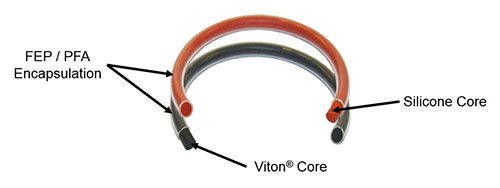
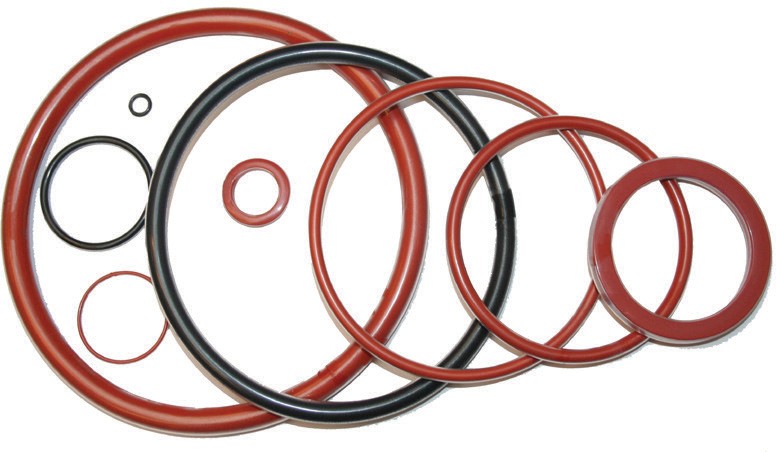
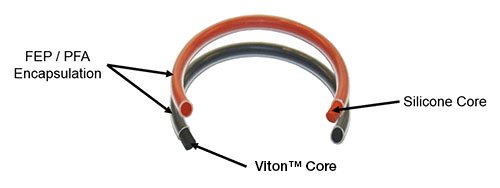
An Encapsulated 'O'-Ring is an 'O'-Ring bound by a seamless and uniform FEP/PFA encapsulation, which encloses an elastomeric core, completely protecting it from the media. They combine the energising properties of an elastomeric 'O'-Ring with the resilience to extreme temperatures and hostile chemicals of FEP/PFA.
What is FEP / PFA Encapsulated O-ring?
FEP and PFA encapsulated O-rings are trusted in industries where standard sealing materials fail. They offer steady performance in aggressive chemicals, high temperatures, and demanding operating conditions, making them a dependable choice for applications that need long-term sealing stability.
Benefits of Encapsulated 'O'-Rings and Seals
- Exceptional resistance to aggressive chemicals and gas permeability
- Low coefficient of friction allowing reduced wear of equipment
- Adaptive sealing force of an elastomeric 'O'-Ring
- Maintain standard MOC eliminating need of multiple MOC’s
- Resistant to compression set/cold flow issues of solid 'O'-Rings
- Withstanding severe CIP/SIP regimes
- Unsusceptible to corrosive surface
- 3-A Sanitary, USP Class VI ,FDA Regulation 21.CFR.177.1550, BSE/TSE , EU VO 1935/2004
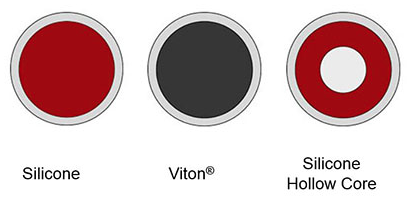
Hardness:
85-90 Shore A for solid core Silicone
90-95 Shore A for solid core Viton®
75-80 Shore A for hollow core Silicone
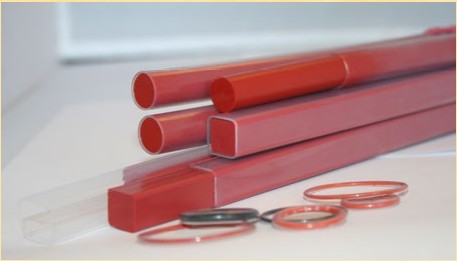
Inner Core / Profile Options:
Temperature Range
FEP Encapsulation : -60°C to +205°C (-75°F to +400°F) Short durations to +260°C. (+500°F)
PFA Encapsulation : -60°C to +260°C (-75°F to +500°F) Short durations to +300°C. (+575°F)
Chemical Resistance, Restricted Permeability & Absorption
Typical chemicals with which ‘FEP/PFA’ resins are compatible
|
Abetic acid |
Bromine |
Diethyl carbonate |
|
Acetic acid |
N-Butyl amine |
Dimethyl ether |
|
Acetic anhydride |
Butyl acetate |
Dimethyl formamide |
|
Acetone |
Butyl methacrylate |
Di-isobutyl adipate |
|
Acetophenone |
Calcium chloride |
Dimethylformamide |
|
Acrylic anhydride |
Carbon Disulfide |
Dimethyl hydrazine |
|
Alkyl methacrylate |
Cetane |
Dioxane |
|
Ammonium chloride |
Chloroacetic Acid |
Ethyl acetate |
|
Aniline |
Chloroform |
Ethyl alcohol |
|
Aqua Regia |
Chlorosulfonic acid |
Ethyl ether |
|
Benzoyl chloride |
Chromic acid |
Ethyl hexanoate |
|
Benzoyl alcohol |
Cyclohexane |
Ethylene bromide |
|
Benzoyl Peroxide |
Cyclohexanone |
Ethylene glycol |
|
Borax |
Dibutyl phthalate |
Ferric chloride |
|
Boric acid |
Dibutyl sebacate |
Freons |
|
Ferric phosphate |
2-Nitro-butanol |
Potassium permanganate |
|
Fluronitrobenzene |
Nitromethane |
Pyridine |
|
Formaldehyde |
Nitrogen tetroxide |
Soap and detergents |
|
Formic acid |
2-nitro-a2-methyl |
Sodium fluoride |
|
Furane |
N-Octadecyl alcohol |
Sodium hydroxide< 80% |
|
Gasoline |
Diesel |
Sodium hypochlorite |
|
Hexacholoethane |
Nitric acid |
Sodium peroxide |
|
Hexane |
Nitrobenzene |
Solvents,aliphatic & aromatic2 |
|
Hydrochloride acid |
Oleum |
Stannous chloride |
|
Hydrocyanic acid |
Ozone |
Sulphur |
|
Hydrofluoric acid |
Perchlorethylene |
Sulphuric acid |
|
Hydrogen peroxide |
Pentachloro-Benzamide |
Tetrabromoethane |
|
Isopropyl alcohol |
Perfluoroxylene |
Tetrachloroethylene |
|
Isocyanates |
Phenol |
Trichloroacetic acid |
|
Lead compounds |
Phosphoric acid |
Trichlorethylene |
|
Mangesium chloride |
Phosphorus |
Tricresyl phosphate |
|
Mercury |
Pentachloride |
Triethanolanime |
|
Methyl ethyl ketone |
Phthalic acid |
Turpaentine |
|
Methacrylic acid |
Pinene |
Unleaded fuel |
|
Methanol |
Piperidene |
Vinyl methacrylate |
|
Methyl methacrylate |
Polyacrylonitrile |
Water |
|
Napthalene |
Potassium acetate |
Xylene |
|
Napthols |
Potassium hydroxide<50% |
Zinc chloride |
Note: Molten alkali metals, fluorine and several complex halogen compounds (chlorinetrifluroide) are incompatible with FEP/PFA resins.
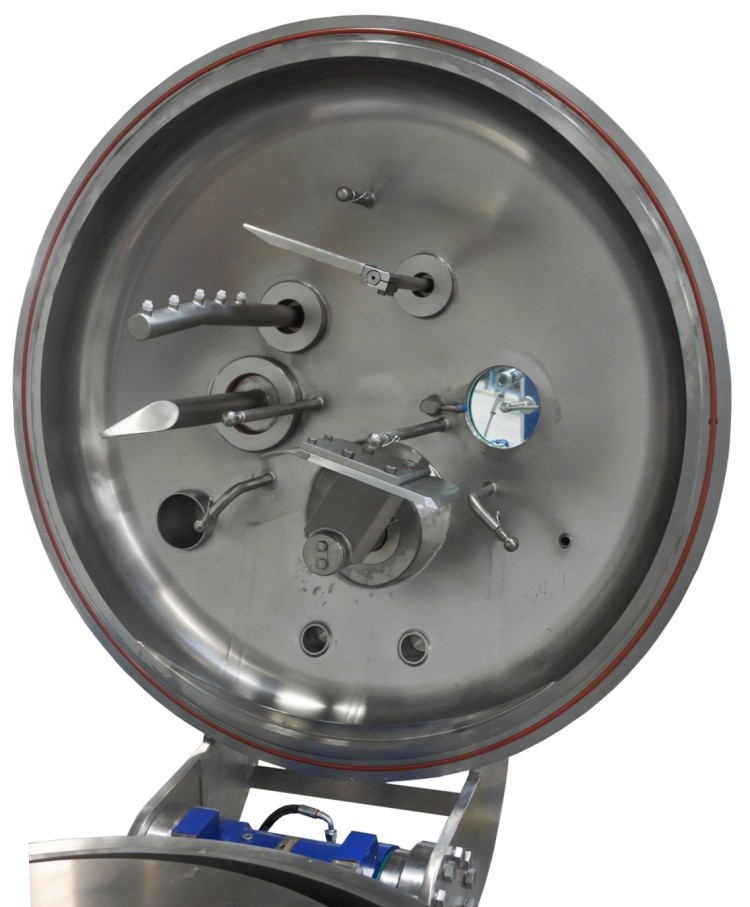
Typical Application
- Pumps and valves
- Chemical reactor vessels
- Mechanical seals
- Cartridge filters
- Pressure vessels
- Heat exchangers
- Autoclaves
- Cryogenics
- Hose couplings
- Pipelines
- Gas compressors
- Access covers
- Reusable syringes
- High purity water
- Gas service
- Cartridges
- Glass flanges
- Low pressure, quick disconnect piping system
- Vacuum service
- Glass heat exchanger tube/ tube sheet seals
- Large diameter access covers
- Relief and emergency valves
- Mixers and vessels
- Spray paint
- Photoelectric work
- Tank cars and trucks [diffuser in tank]
- Filter elements
- Butterfly valves
- Air operated vents
- Scientific laboratory
- Lab reactors
- Sampling monitors [pesticide and personal impactor]
- Manways [t bolt hinge closure]
- Leak free bottles
- Petroleum mixers
- Industrial concrete sprayer
- Stainless steel gas line holders
- Flowmeter
- Chimney
- Bulkhead fitting
- Turbines
- Magnetic vacuum beaker vapors recovery adapters
- Strainers
- Pressure pots
- Home irrigation turf and auto control
Target Industry Sector
- Chemical Process
- Aircraft and Aerospace
- Gasoline and Chemical Transport
- Oil refineries
- Semi-conductor manufacture
- Photochemical
- Refrigeration Engineering
- Polymer Production
- Dye and Paint manufacture
- Paper and Pulp industry
- Food, Dairy and Beverage, Wine/Beer industry
- Oil Extraction (on shore and off shore)
- Cosmetics and Perfumery
- Automotive Components
- Scientific Glassware instruments
- Computer Chip Manufacturing Industry
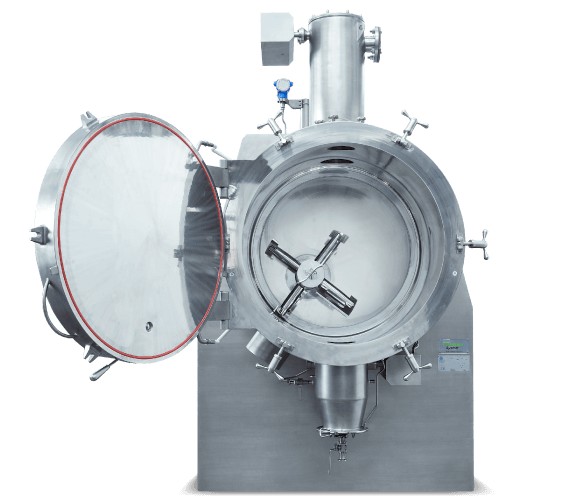
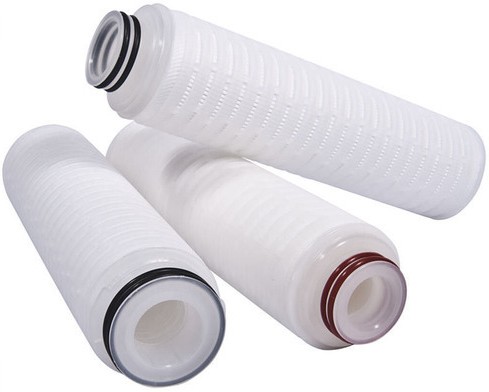
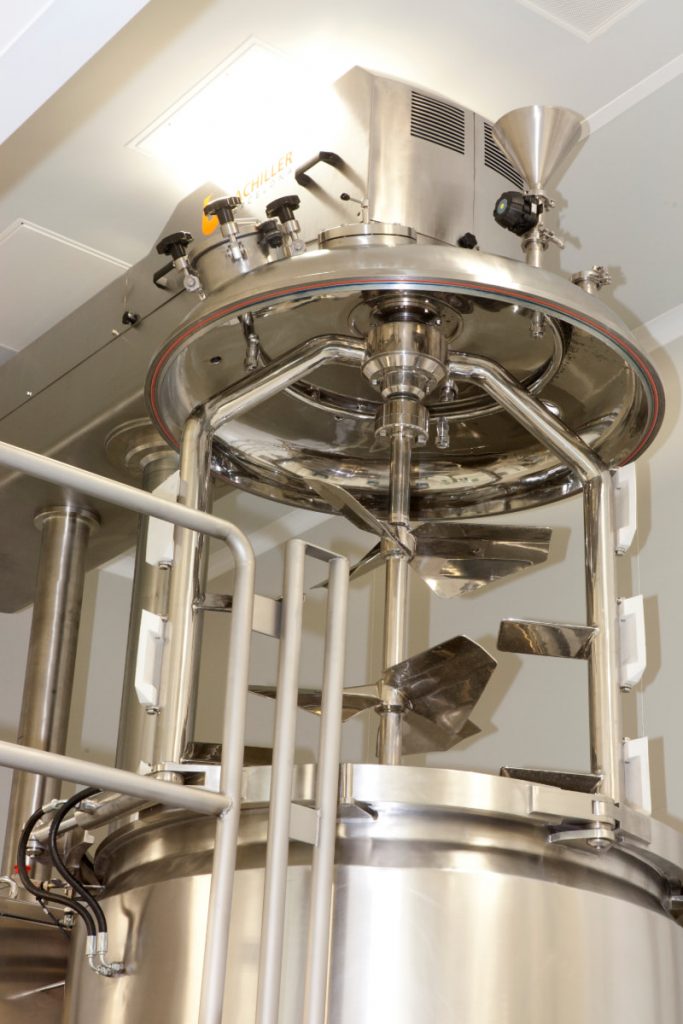
An Encapsulated O-Ring bound by a seamless FEP/PFA encapsulation, enclosing an elastomeric core. Combines the energising properties of an elastomeric O-Ring with resilience to extreme temperatures and hostile chemicals.
| Product Specifications | |
|---|---|
| Product Type | Encapsulated O-Ring (FEP / PFA) |
| Encapsulation Material | FEP (Fluorinated Ethylene Propylene) / PFA (Perfluoroalkoxy) |
| Inner Core Options | Solid Silicone, Solid Viton®, Hollow Silicone |
| Hardness – Solid Silicone Core | 85–90 Shore A |
| Hardness – Solid Viton® Core | 90–95 Shore A |
| Hardness – Hollow Silicone Core | 75–80 Shore A |
| Temperature Range (FEP) | -60°C to +205°C (-75°F to +400°F); short durations to +260°C (+500°F) |
| Temperature Range (PFA) | -60°C to +260°C (-75°F to +500°F); short durations to +300°C (+575°F) |
| pH Compatibility | Compatible with wide range of chemicals (see chemical resistance table) |
| Standards / Compliance | 3-A Sanitary, USP Class VI, FDA Regulation 21.CFR.177.1550, BSE/TSE, EU VO 1935/2004 |
| Size Range | BS ISO 3601-1 / AS 568 standard sizes, custom sizes available |
| Profile / Cross-section | Circular O-Ring; custom cross-sections available |
| Key Benefits | No cold flow, resists CIP/SIP, low friction, FDA compliant, corrosion resistant |
| Typical Applications | Pumps, valves, chemical reactors, mechanical seals, cryogenics, heat exchangers, autoclaves |
| Target Industries | Chemical process, pharmaceutical, food & beverage, oil & gas, semiconductor, marine, refrigeration |
| Key Benefits | No cold flow, resists CIP/SIP, low friction, FDA compliant, corrosion resistant |
| Typical Applications | Pumps, valves, chemical reactors, mechanical seals, cryogenics, heat exchangers, autoclaves |
| Target Industries | Chemical process, pharmaceutical, food & beverage, oil & gas, semiconductor, marine, refrigeration |

Why Encapsulated O-ring?
Encapsulated O-rings provide a high performance and low cost sealing solutions for a variety of chemically demanding applications or where regulatory compliance is particularly important. For instance, in the food industry FDA compliance and the ability to with stand harsh cleaning chemicals is a necessity, something that standard elastomers often cannot support.
They offer steady sealing performance without swelling or breaking down, especially in systems that rely on high temperature O-rings for long-term stability.
The elastomer core provides flexibility, while the FEP/PFA jacket adds strong chemical and temperature resistance. This balance makes them a reliable option for processes that need clean and consistent sealing.