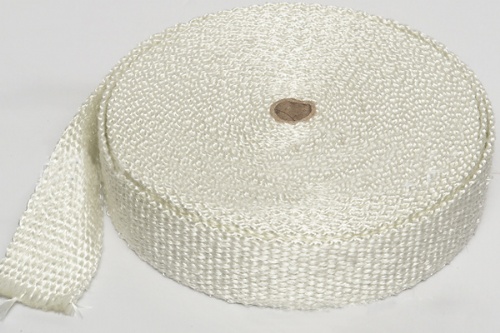
Fiberglass tape is a woven insulation material designed to handle continuous
exposure to heat and thermal movement. Its structure helps protect surfaces in industrial
systems operating at high temperatures.
Core properties include:
- High heat stability
It remains stable in hot environments, making it suitable for equipment exposed to
continuous temperature changes.
- Low thermal conductivity
This helps slow down heat transfer and improves insulation efficiency.
- Strong tensile strength
The woven fibres resist pulling forces, giving the tape durability during wrapping and
installation.
- Fire-resistant nature
It does not burn and remains stable when exposed to open flames or hot surfaces.
- Electrical insulation capability
It protects cables and electrical components by reducing the risk of short circuits and
heat damage.
- Chemical resistance
It withstands oils, mild acids, solvents, and other industrial chemicals.
- Non-asbestos construction
It provides safe insulation without the health risks linked to asbestos-based materials.
Together, these qualities make it a reliable choice for sealing, wrapping, and insulating
industrial equipment.
The tape performs well in demanding environments where temperature control and long-term
durability matter.
Our Range of Fiberglass Tape
We offer multiple variants designed to handle different heat, insulation, and durability
needs. Each option is designed to support safe, reliable performance in industrial
applications.
1. Plain Woven Fiberglass Tape
- Standard industrial grade
- Suitable for general insulation
- Handles temperatures up to 550°C
This is the most widely used option for basic insulation and sealing. It is steady,
reliable, and suitable for everyday thermal tasks.
Its woven construction gives good stability, making it a preferred choice for routine
wrapping, protection, and heat control.
2. Texturized Fiberglass Tape
- Thicker, high-loft texture
- Better insulation due to air-trapped fibers
- Ideal for pipes and exhaust systems
This variant offers a thicker structure with enhanced loft. The added bulk improves heat
resistance where stronger insulation is needed.
Its soft, textured finish helps trap air and slow heat movement, making it suitable for
high-heat lines and equipment.
3. Ladder-Type Tape
- Open slots for bolt pass-throughs
- Ideal for flanges
- Suitable for heat-exchanger doors
This design supports easy mounting in areas with bolts or uneven surfaces. The open pattern
allows a cleaner fit during installation.
The ladder-style layout ensures secure placement without interrupting thermal protection.
4. High-Silica Tape
- High silica content
- Withstands up to 1,000°C
- Reliable for extreme thermal applications
This type is built for extreme heat zones where regular insulation cannot perform. It is
stronger and more stable under intense temperatures.
It maintains strength under direct heat, making it suitable for furnaces, boilers, and heavy
thermal machinery.
5. Adhesive-Back Tape
- Pressure-sensitive adhesive
- Easy to install
- Used in HVAC, electrical insulation, thermal covers
This version is helpful when a quick installation is required. The adhesive backing ensures
a clean, direct application.
It offers firm placement without extra fixing tools, improving efficiency during repairs or
routine insulation work.
6. Coated Fiberglass Tape
Available coatings:
- Graphite
- PTFE
- Vermiculite
- Silicone
- Neoprene
This category includes multiple coating options for better life and resistance. Each coating
enhances performance based on the environment.
These coatings enhance abrasion resistance, increase durability, and improve the tape's
performance in harsh industrial conditions.
Temperature Endurance Levels
Fiberglass tape is known for its consistent performance at high temperatures, making it a
dependable choice for demanding industrial setups. Its structure remains stable even under
continuous thermal cycling.
- Withstands moderate to extreme heat
- Performs well under direct flame contact
- Maintains strength during thermal expansion
The material withstands rising temperatures without shrinking or degrading, helping protect
equipment over long periods. Its ability to stay firm during heat fluctuations also reduces
the risk of wear or thermal damage.
This level of resistance makes it suitable for furnaces, boilers, exhaust systems, hot
pipelines, and other high-temperature environments where safety and durability are
essential.
Material Construction & Weave Pattern
The tape is engineered with a firm structure that stays stable under heat, pressure, and
vibration. Each design option supports different industrial needs while maintaining
consistent performance.
1. Weave Styles You Can Choose From
- Plain weave
- Twill weave (smoother and stronger finish)
- Ladder weave (suited for door flanges and bolted areas)
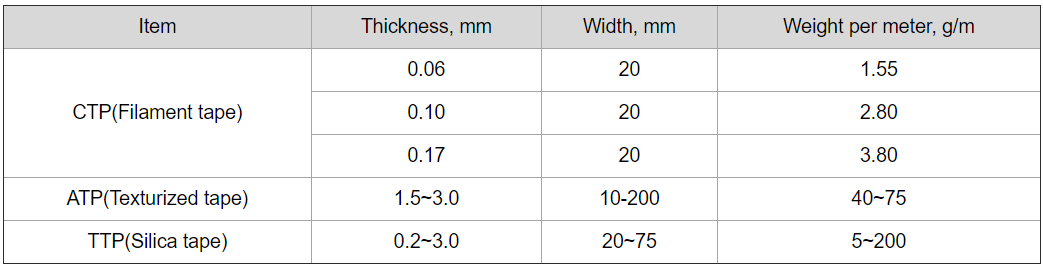
2. Available Thickness Range
3. Width Options Offered
- 25 mm
- 50 mm
- 75 mm
- 100 mm
- Custom widths available
4. Reinforcement Choices for Extra Strength
- Fiberglass filament
- Stainless steel wire
- Inconel wire (best for extreme conditions)
These reinforcements increase durability, improve thermal handling, and make the tape
suitable for demanding environments.
Applications of Fiberglass Tape
This versatile insulation material performs reliably across industries where heat, movement,
and sealing requirements are critical.
1. Thermal Protection in Industrial Equipment
- Furnace door edges
- Kiln and boiler insulation points
- Heat-treatment units
- High-temperature hoses
- Expansion and movement joints
These applications require stable insulation capable of withstanding constant high
temperatures.
The tape helps control heat flow and supports long-term sealing performance in harsh
operating conditions.
2. Wrapping for Pipes and Exhaust Lines
- Hot pipelines
- Steam distribution lines
- Exhaust assemblies
- Protective sleeves for heated surfaces
These areas require flexible coverage that wraps evenly around hot surfaces.
Its smooth weave ensures consistent insulation around both straight and curved lines,
minimising heat escape.
3. Electrical and Cable Insulation Support
- Motors and transformers
- Cable grouping
- High-voltage protection zones
These applications require non-conductive materials that remain stable at high temperatures.
It provides a protective layer that resists heat and friction, helping electrical parts stay
secure.
4. Sealing and Gasket Reinforcement
- Oven and kiln flanges
- Inspection openings
- Burner components
These points need tight sealing where metal surfaces meet.
The tape improves sealing strength and helps maintain compression during thermal cycling.
5. Fire Safety and Structural Protection
- Fire-resistant wrapping
- Insulating barriers
- Support layers in fire-proof constructions
These systems depend on materials that do not burn or release harmful fumes.
Its flame-stable nature makes fiberglass tape a reliable choice for enhancing passive fire
safety.
Why Fiberglass Tape Stands Out
This insulation material stands out for its consistent performance in harsh industrial
environments. Its woven design supports both heat protection and day-to-day handling without
losing strength.
- High tensile strength
It stays firm under pull and movement, making it suitable for areas exposed to
mechanical stress.
- Heat and flame resistance
It remains stable around heated surfaces, hot gases, and direct heat exposure.
- Electrically insulating
Its non-conductive nature helps protect cables, motors, and electrical parts during
operation.
- Chemical resistance
It tolerates oils, solvents, and mild industrial chemicals without losing durability.
- Stable during thermal cycling
It keeps its structure when exposed to repeated heating and cooling.
- Non-corrosive and non-shrinking
It does not rust or contract, ensuring a consistent fit over time.
- Easy to install and shape
It can be wrapped, folded, stitched, or fixed easily, even around tight curves.
- Cost-effective alternative to ceramic solutions
It provides dependable insulation at a more economical cost in moderate-heat
environments.
- Available in custom sizes
It can be supplied in widths and lengths that match specific project needs.
These advantages make fiberglass tape a dependable choice for insulation, sealing, and
industrial protection. Its mix of strength, flexibility, and value makes it suitable for a
wide range of applications.
Possible Drawbacks of Fiberglass Tape
While this material performs well in many industrial setups, it has certain limitations
related to temperature, installation method, and external conditions. Understanding these
limits ensures the tape is used where it delivers the best results.
- Not suitable for molten metal exposure
Areas with direct molten metal splash require ceramic-based materials for safer
performance.
- Coatings may reduce the maximum temperature range
Graphite, PTFE, or other finishes can limit heat capacity depending on the coating’s
properties.
- Silica variants needed for extreme heat
Standard versions handle moderate to high heat, but silica-grade is required when
temperatures rise too high.
- Adhesive-backed types have lower heat tolerance
The adhesive layer softens at elevated temperatures, restricting use in very hot
environments.
By knowing these limits, you can choose the right grade for your application with better
accuracy. This helps ensure fiberglass tape performs at its best without compromising safety
or efficiency.
Choosing the Right Fiberglass Tape
Finding the right fiberglass tape becomes easier when you break the selection into a few
simple checks. These points help you match the tape to your insulation or sealing needs with
confidence.
- 1. Heat Handling Capacity
Make sure the tape can tolerate your system’s highest operating temperature without
losing strength.
- 2. Tape Build & Weave Pattern
A thicker build supports better insulation, while tighter weaves add durability for
areas exposed to movement.
- 3. Adhesive vs Non-Adhesive Type
Adhesive tapes suit quick applications. Non-adhesive woven options are better for
wrapping pipes, ducts, and machinery parts.
- 4. Chemical & Surface Resistance
Check if the tape can withstand oils, solvents, or friction, especially in heavy-duty
industrial environments.
- 5. Application Fit & Flexibility
Curved surfaces and vibrating components need flexible tape that sits firmly without
slipping.
- 6. Width & Coverage Requirement
Select the roll size that suits your insulation area to avoid overlap or wastage.
A thoughtful choice ensures steady insulation performance and keeps your equipment safe for
longer. It also helps reduce downtime by offering reliable, long-term sealing support.
Where Fiberglass Tape Is Widely Used
This insulation material fits a wide range of industrial needs because it handles heat,
vibration, and regular movement with ease. Its dependable performance makes it suitable for
both heavy-duty machinery and general maintenance work.
- Power and Energy Plants
- Metal and Foundry Units
- Chemical and Petrochemical Facilities
- Pharmaceutical and Food Processing
- Glass, Ceramics, and Furnace Manufacturing
- Automotive and Exhaust Applications
- HVAC and Industrial Contractors
With such a broad coverage, fiberglass tape is relied on by industries that need safe,
stable, and long-lasting insulation. Its adaptability makes it suitable for both new
installations and ongoing equipment maintenance.
Specification Range We Supply
Our insulation tapes are available in multiple configurations to match different thermal and
mechanical requirements. Each specification is designed to help customers accurately choose
a tape that fits their equipment and operating conditions.
- 1. Width Options: Available from 25 mm to 100 mm, with custom sizes
supplied on request.
- 2. Thickness Range: Offered from 1 mm to 6 mm for light to heavy
insulation needs.
- 3. Temperature Capability: Supports approximately 550°C to 1,000°C,
depending on the grade selected.
- 4. Weave Types: Provided in plain, twill, and ladder patterns to suit
different applications.
- 5. Reinforcement Choices: Comes with fiberglass, stainless steel wire,
or Inconel wire for added durability.
- 6. Supply Format: Available in full rolls or cut-to-length options
based on the requirement.
These specifications ensure you get a tape that delivers the right balance of strength,
insulation, and durability. With these options, fiberglass tape can be matched easily to
various industrial applications.
Comparison: Fiberglass Tape vs Ceramic Tape
Fiberglass and ceramic tapes serve different insulation needs depending on heat levels and
working conditions. This table gives you a quick, clear comparison.
| Feature |
Fiberglass Tape |
Ceramic Tape |
| Max Temperature |
Handles up to ~550°C for standard high-heat tasks |
Manages ~1,260°C for extreme-temperature use |
| Flexibility |
High flexibility for easy wrapping |
Moderate flexibility with a firmer structure |
| Cost |
Lower and economical |
Higher due to advanced heat tolerance |
| Electrical Insulation |
Excellent insulation performance |
Good insulation with stronger heat focus |
| Dust Irritation |
Low dust and easy to handle |
Higher dust, can cause irritation |
| Applications |
Works well for general industrial insulation |
Suited for furnaces, kilns, and ultra-high-heat zones |
Both materials perform well, but your choice depends on temperature limits and insulation
demands.
Simple Steps for Proper Installation
Correct installation helps fiberglass tape deliver stable insulation and long-lasting
performance. Following a few basic steps ensures the tape stays secure, even in high-heat
environments.
- 1. Clean the surface before installation
A clean, dry surface allows the tape to grip properly. Removing dust, oil, or loose
particles ensures a stronger hold.
- 2. Overlap the tape by 25–50% for pipes and exhausts
This overlap creates a tighter insulation layer. It also prevents heat leakage through
open gaps.
- 3. Select the right thickness for doors and flanges
Choosing the correct thickness ensures full compression. This helps maintain an
effective thermal seal during operation.
- 4. Use stainless steel wire or clamps where vibration is present
Heavy vibration can loosen the wrap over time. Steel wires or clamps help keep the tape
firmly in place.
- 5. Avoid overstretching the tape
Pulling it too tightly can weaken the weave. A steady, even wrap maintains the tape’s
strength.
- 6. Apply adhesive-backed tape only below 150°C
Moderate temperatures allow the adhesive to bond correctly. High heat during
installation may reduce sticking strength.
Proper installation improves insulation quality and extends tape life. With careful
handling, fiberglass tape performs reliably across multiple industrial applications.
What We Need to Process Your Order
Sharing the right details helps ensure you receive the correct fiberglass tape for your
application. A few key specifications make the selection process quick and accurate.
- Width and thickness: Mention the exact size needed to match your
insulation or wrapping area.
- Weave type: Specify the weave pattern suitable for your operating
conditions.
- Required length or roll size: Confirm whether you need fixed lengths or
full rolls.
- Reinforcement type (if required): State if you need added strength,
such as fiberglass or stainless-steel reinforcement.
- Temperature range: Provide the heat levels the tape will be exposed to
for proper selection.
- Application description: Briefly describe where and how the tape will
be used to ensure the right fit.
- Coating requirement (Graphite/PTFE/etc): Inform if any special coating
is needed for extra protection or reduced friction.
Drawings or reference photos are helpful when replacing old insulation, ensuring a precise
match and faster delivery.
What Makes KAF the Right Choice?
KAF Seal Inc. delivers dependable insulation solutions built for tough industrial
environments. Our products are designed to offer stable performance, long service life, and
ease of installation.
- Industrial-grade quality you can trust
Built to perform consistently under heat, pressure, and continuous operation.
- Options for different temperature and insulation needs
Suitable for moderate, high, and extreme heat applications.
- Custom sizes and reinforced variants
Available in tailored widths, roll sizes, and reinforced structures.
- Reliable supply and quick delivery
Steady availability to support both urgent and scheduled requirements.
- Expert technical guidance
Professional assistance to help you choose the right insulation material.
- 20+ years of industry experience
A long-standing reputation in sealing and insulation solutions.
- Preferred by OEMs and industrial facilities
Trusted by furnace builders, manufacturers, and process industries.
KAF Seal Inc. focuses on delivering solutions that perform reliably in the field. With
consistent support and high-quality products, we ensure your insulation needs are met
without compromise.