Sealing solutions ensure machines, systems, and equipment run smoothly without interruptions. Among these options, vulcanized O-rings stand out for their durability and efficiency. Manufacturers chemically treat them through vulcanization, which strengthens the material and enhances reliability under pressure. As a result, industries ranging from automotive to medical equipment rely on them for consistent performance.
In this article, we explain what makes vulcanized O-rings unique, their materials, key features, and real-world applications.
What Are Vulcanized O-Rings?
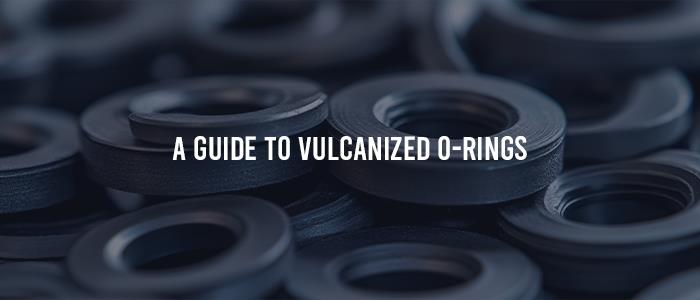
O-rings are circular seals that sit between two surfaces to prevent leaks of fluids or gases. Vulcanized O-rings improve on this design by undergoing a chemical vulcanization process. This process strengthens the rubber, increases resilience, and reduces weak points. Unlike standard cut O-rings, vulcanized options have seamless joints, so they maintain a stronger, leak-proof seal.
Because of their robust design, vulcanized O-rings handle high pressure, fluctuating temperatures, and harsh conditions. Therefore, industries trust them when reliability cannot be compromised.
Key Materials in Vulcanized O-Rings
The performance of an O-ring depends on its material. Two commonly used materials include:
1. Viton O-Rings
Viton offers exceptional chemical and temperature resistance. As a result, it suits oil and gas, automotive, and aerospace applications, resisting fuels, oils, and aggressive chemicals without losing shape or effectiveness.
2. Silicone O-Rings
Silicone o-rings remains flexible across high and low temperatures. Consequently, it works well in food, beverage, and medical industries. Silicone is hygienic, non-reactive, and effective even in refrigeration or lab applications.
Choosing the right material ensures reliable sealing in extreme conditions or chemically aggressive environments.
Features That Make Vulcanized O-Rings Stand Out
Seamless Construction
Vulcanized O-rings are manufactured as a single piece. This seamless design eliminates weak points and enhances leak-proof performance.
Chemical and Temperature Resistance
These O-rings withstand tough chemicals and extreme temperatures. For example, Viton is ideal for fuels, while silicone excels in sensitive or hygienic environments.
Longer Service Life
Their durability reduces the need for frequent replacements. As a result, machines operate longer with fewer interruptions.
Versatility Across Industries
Vulcanized O-rings adapt to many applications, from industrial pumps to food processing units. Therefore, they remain a trusted choice in multiple sectors.
Applications Across Industries
Automotive
Vulcanized O-rings seal engines, AC systems, and fuel injectors. They maintain performance despite temperature fluctuations and pressure changes.
Aerospace
Aircraft systems demand seals that endure extreme conditions. Consequently, these O-rings support hydraulic lines, fuel tanks, and cabin systems.
Medical and Food
Silicone O-rings prevent contamination and provide safe sealing in food and medical equipment.
Oil, Gas, and Chemical
Viton O-rings resist fuels, oils, and harsh chemicals, maintaining safety and reliability in pipelines, pumps, and valves.
General Industry
Compressors, pumps, and water systems benefit from vulcanized O-rings’ dependable sealing, which reduces downtime and improves efficiency.
How to Choose the Right Vulcanized O-Ring
- Match the material to temperature and chemical exposure.
- Ensure correct size and compression to prevent leaks.
- Choose between Viton or Silicone based on industry needs.
- Work with a trusted supplier for guidance and quality assurance.
By following these steps, you ensure consistent sealing performance in any application.
Why Vulcanized O-Rings Are the Smarter Choice
Vulcanized O-rings provide unmatched strength, flexibility, and reliability. Their seamless design, resistance to chemicals, and ability to withstand extreme temperatures make them superior to standard O-rings. Options like Viton, Silicone, and cryogenic O-rings offer tailored solutions depending on the application, ensuring optimal performance.
At KAF-Vulcan India, we supply high-quality sealing solutions, including vulcanized O-rings, Viton O-rings, Silicone O-rings, and cryogenic O-rings. Our specialists guide clients to choose the right product for each industry, guaranteeing durable, safe, and efficient sealing. Reach out today to select the perfect solution for your needs.
FAQs
What are vulcanized O-rings?
Manufacturers create vulcanized O-rings through a vulcanization process, which strengthens the material. As a result, they resist extreme temperatures and chemicals. Furthermore, these O-rings provide superior elasticity and perform reliably in industrial, automotive, aerospace, and medical applications.
What materials are used in vulcanized O-rings?
Viton provides chemical and heat resistance, while Silicone offers temperature flexibility and hygienic performance. In addition, engineers use cryogenic O-rings for extremely low-temperature applications. Therefore, selecting the right material depends on the operating environment and industry-specific requirements.
What are cryogenic O-rings used for?
Cryogenic O-rings maintain flexibility and sealing integrity at extremely low temperatures. For example, engineers use them in liquefied gas storage, refrigeration, and aerospace systems. Importantly, these O-rings perform where standard O-rings fail, and they maintain safety in freezing conditions.
Where are vulcanized O-rings commonly used?
Industries use vulcanized O-rings in automotive engines, aerospace hydraulics, food and pharmaceutical equipment, oil and gas pipelines, chemical plants, and cryogenic systems. Therefore, their strength, durability, and resistance make them essential for critical sealing applications.