
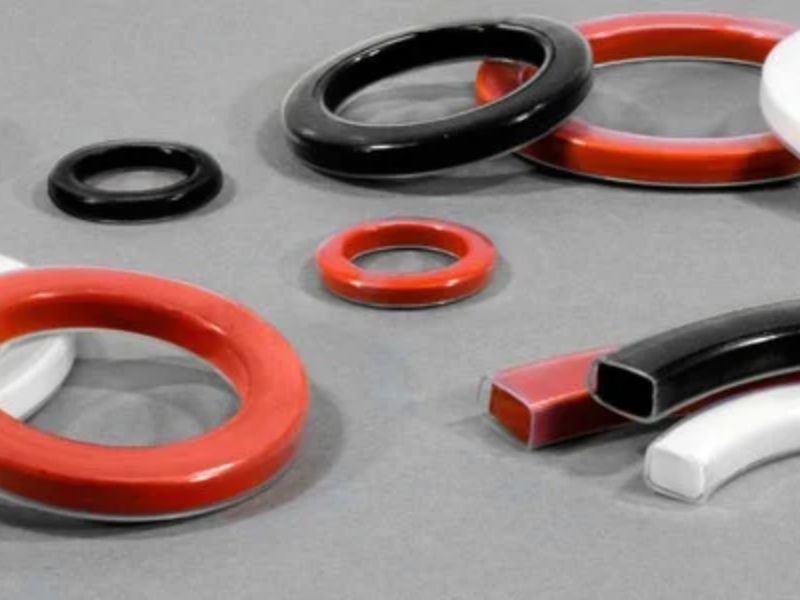
A gasket has a simple job: create a reliable seal between two surfaces and help control leakage. The challenge starts when the process involves aggressive chemicals, temperature changes, or demanding operating conditions.
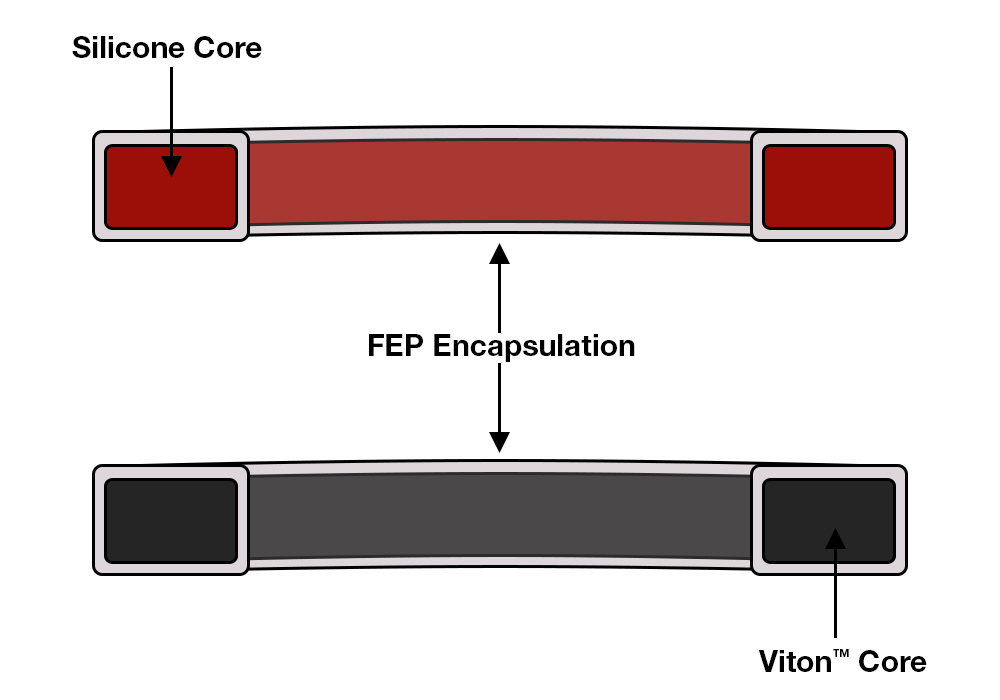
An FEP gasket uses an FEP fluoropolymer layer around a core material. The outer layer provides a barrier between the process media and the core. This design can offer useful chemical and temperature resistance while retaining some of the flexibility of the core.
For plant maintenance teams, choosing the right gasket means looking beyond material names. Gasket size, pressure, temperature, flange condition, media, and installation all affect the result.
Kaf Vulcan supplies engineered sealing solutions for industrial applications. Their product range includes gasket and encapsulated sealing options for different process requirements.
What Is an FEP Gasket and How Does It Work?
An FEP gasket combines an FEP jacket with an internal elastomeric or other suitable core, depending on the design.
The FEP layer acts as the main contact surface with the process media. The core helps provide the resilience needed to maintain contact between the sealing surfaces.
This construction is useful when a standard elastomer may not provide the required combination of chemical resistance and sealing flexibility.
The basic sealing action depends on:
- Compression between mating surfaces
- Elastic recovery from the core
- FEP jacket integrity
- Correct gasket dimensions
- Suitable flange conditions
The result is a sealing solution designed around both material properties and mechanical functions.
Why Does FEP Improve Gasket Sealing Performance?
The outer FEP layer can help protect the internal core from the process environment. This is one reason FEP-based designs are considered for demanding industrial services.
FEP encapsulated gaskets can combine the properties of two materials rather than relying on one material to handle every requirement.
For example, the jacket can provide a chemically resistant contact surface, while the core provides the resilience needed for sealing.
This construction can be useful where the process requires a balance between chemical resistance and compression recovery.
What Are the Main FEP Gasket Benefits?
The key FEP gasket benefits come from the combination of the fluoropolymer jacket and the core. Depending on the grade and design, these can include:
| Feature | Why It Matters |
| FEP outer layer | Provides a resistant process-contact surface |
| Flexible core | Helps maintain sealing force |
| Low-friction surface | Can support easier handling and fitting |
| Chemical resistance | Useful for selected aggressive media |
| Temperature capability | Suitable for specified temperature ranges |
| Custom configurations | Can support different equipment requirements |
The exact FEP gasket benefits depend on the selected construction and operating conditions. A product specification should always be checked before use.
Where Are FEP Encapsulated Gaskets Used?
FEP encapsulated gaskets are considered for applications where the process environment places high demands on the sealing material.
Common areas include:
- Chemical processing equipment
- Pharmaceutical processing
- Food and beverage systems
- Water treatment
- Semiconductor processing
- Marine equipment
- Tank and vessel connections
- Process piping
The suitability of FEP encapsulated gaskets depends on the actual media, temperature, pressure, and equipment design.
They should not be selected simply because the process is classified as chemical or high temperature.
How Do FEP Gaskets Compare with Standard Industrial Gaskets?
Traditional industrial gaskets are available in many materials. The right choice depends on the service conditions.
Some applications may suit elastomeric or fiber-based gasket materials. Others may need a fluoropolymer contact surface because of the process of media.
An FEP gasket can be useful when chemical resistance is a major part of the specification. However, it may not be the right option for every flange or process.
The comparison should focus on the actual operating conditions rather than the general category of gasket.
Can An Encapsulated O-Ring Offer Similar Sealing Principles?
An encapsulated O-ring uses a similar material concept but has a different geometry and sealing function.
Instead of a flat gasket, the sealing element has an O-ring profile. A flexible core is enclosed by a fluoropolymer jacket.
This construction can help when equipment requires an O-ring arrangement with a resistant outer surface.
An encapsulated O-ring may be considered for pumps, valves, process equipment, and other systems where the groove and sealing design are suitable.
The choice between a gasket and an O-ring depends on the equipment design, dimensions, pressure, movement, and installation method.
What Factors Affect Gasket Sealing Performance?
Good gasket sealing performance depends on more than the gasket material.
Even a suitable material can fail if the joint is poorly prepared or the gasket is incorrectly fitted.
Before installation, teams should check:
- Flange condition
Surfaces should be clean and free from damage that could affect sealing.
- Correct dimensions
The gasket must match the joint and sealing area.
- Compression
Excessive compression can damage the gasket. Insufficient compression may affect contact.
- Bolting
Fasteners should be tightened in a suitable sequence and to the required specification.
- Operating conditions
Temperature, pressure, media, and process cycles should match the selected product.
These points have a direct effect on gasket sealing performance during service.
How Should FEP Gaskets Be Selected for Industrial Use?
Selection should begin with the process, not the catalogue.
First, identify the media that will contact the gasket. Next, record the normal and peak temperature. Pressure, flange dimensions, equipment type, and installation conditions should also be confirmed.
The selection should then consider the available FEP encapsulated gaskets and their construction.
For critical applications, the exact material grade should be reviewed against the process conditions. Any required compliance specification should also be confirmed for the specific product.
This step is important because FEP products can differ in construction, core material, dimensions, and intended service.
What Installation Practices Help Maintain Performance?
Correct installation can make a major difference to service life.
The sealing surfaces should be cleaned before fitting. The gasket should be positioned correctly without cuts, folds, or damage to the FEP jacket.
Bolting should provide suitable and even compression across the joint. Over-tightening should be avoided because it can damage the sealing element or joint.
After installation, the connection should be checked under the actual service conditions where possible.
Good installation practice supports the expected FEP gasket benefits and helps maintain consistent gasket sealing performance.
Choose The Right Sealing Solution For The Process
FEP-based gasket designs can provide a useful combination of a resistant fluoropolymer contact layer and a resilient core. This makes them suitable for selected applications where standard industrial gaskets may not meet the required material properties.
The most suitable solution still depends on temperature, pressure, media, dimensions, and joint design. Careful specification is therefore essential for both FEP encapsulated gaskets and other sealing products.
Kaf Vulcan provides engineered sealing solutions for industrial process requirements. They help customers assess sealing needs and select suitable products based on application conditions. Their range includes FEP encapsulated gaskets, encapsulated O-ring solutions, and other industrial sealing products.
For a specific application, they can discuss the operating conditions and provide a suitable product recommendation or quotation.