
Industrial systems in low-temperature conditions need precise sealing, and this guide helps identify solutions that deliver consistent performance.
Industrial systems operating in extremely cold conditions face unique challenges. Standard seals often lose flexibility, harden, or crack, leading to leakage and downtime. Choosing the right sealing solution is essential to maintain reliability and ensure smooth operation in low-temperature environments.
Kaf Vulcan India provides technically engineered solutions for these demanding conditions. Cryogenic O rings are specifically designed to handle sub-zero environments. Their material composition and design allow them to retain elasticity and maintain a tight seal, even under extreme cold. This makes them a preferred choice for applications where system integrity cannot be compromised.
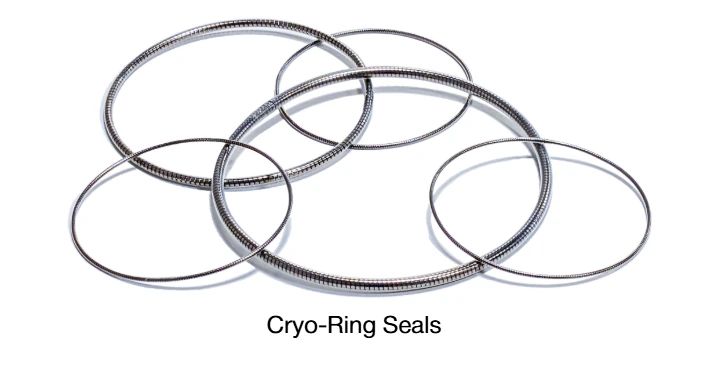
About KAF Vulcan India Cryo-Ring™ Seals
KAF Vulcan India’s Cryo-Ring™ is the perfect low-cost ‘O’-ring sealing solution for cryogenic applications where low temperature demands are required. Liquid Oxygen or Hydrogen are ideal applications for a Cryo-Ring™ or Cryogenic seal due to its lower temperature operating limit of -250°C (-418°F) compared to an encapsulated Silicone core limited to -60°C (-75°F).
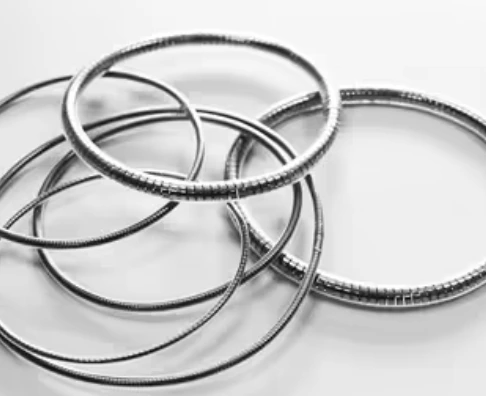
With a 302 Stainless Steel spiral wound spring encapsulated with either FEP or PFA, a Cryo-Ring™ is used across a wide variety of industries including transportation, food, pharmaceutical, and chemical.
Key Product Features:
- Widest temperature range of any encapsulated sealing ‘O’-ring
- No cold flowproblems due to the Stainless Steel elastomer core, unlike solid PTFE rings
- Virtually any cross-section and diameter size or shape can be produced to meet your application
- Full traceability through production and multi-level automated inspection for high quality and reliability
- Guaranteed stock of materials for all BS ISO 3601-1/AS 568 sizes, with short lead times
Material Options & Temperature Range:
- Encapsulation: FEP or PFA | Inner core: 302 Stainless Steel spring
- FEP: -250°C to +205°C (-418°F to +400°F)
- PFA: -250°C to +260°C (-418°F to +500°F)
For systems where standard designs fail, Cryogenic O-rings offer consistent performance and durability. Selecting the right type requires understanding the operating temperature, chemical exposure, and pressure conditions. A careful choice ensures minimal maintenance, reduces operational risks, and supports long-term efficiency.
What Fails in Standard Sealing at Low Temperatures
Standard O rings are not built for extreme cold. In sub-zero environments, material properties change, causing problems that affect overall system performance. Understanding these failure modes highlights why specialised solutions are necessary.
Common Issues with Standard Seals
- Loss of Flexibility
Rubber and elastomeric materials stiffen in cold, reducing their ability to conform to sealing surfaces.
- Hardening and Cracking
Prolonged exposure to low temperatures can cause micro-cracks, which grow over time and compromise the seal.
- Leakage Risks
Reduced elasticity and material brittleness increase the likelihood of fluid escape, leading to potential equipment damage or downtime.
- Shortened Service Life
Frequent replacements may be necessary because standard materials fail faster in cold conditions, increasing operational costs.
Even a well-installed standard seal can fail if the material is not rated for low temperatures. Recognising these limitations is the first step in selecting a solution that ensures consistent performance and safety.
Why Specialised Sealing Solutions Are Needed in Cryogenic Conditions
Low-temperature environments present challenges that standard O rings cannot handle. Extreme cold affects elasticity, alignment, and surface contact, which can lead to leaks and system inefficiency. Using specially designed solutions ensures reliable operation under these conditions.
- Material Adapted for Sub-Zero Performance
Specialised seals retain flexibility and prevent cracking, even at extremely low temperatures.
- Maintains Seal Integrity
Correct design keeps sealing surfaces in contact, reducing leakage and improving system stability.
- Consistent Performance Across Applications
Engineered solutions perform reliably across temperature fluctuations and varying pressure levels.
- Reduced Maintenance and Downtime
Properly designed seals require less frequent replacement, supporting uninterrupted operation.
Selecting the right solution early ensures system efficiency and safety. It also prevents operational interruptions and long-term material degradation that can occur with standard seals. Ultimately, this proactive approach helps maintain reliability and reduces unexpected costs over the equipment’s lifetime.
Key Properties That Define Cryogenic O Ring Performance
Understanding the essential properties of cryogenic O rings helps in choosing the right solution for extreme low-temperature applications. These characteristics ensure durability, flexibility, and reliable sealing under demanding conditions.
- Material Flexibility atLowTemperatures
- Retains elasticity in sub-zero environments
- Allows the seal to conform properly to mating surfaces
- Minimises the chance of material cracks and seal failure
- Resistance to Thermal Shrinkage
- Minimises dimensional changes due to extreme cold
- Maintains contact pressure between surfaces
- Ensures consistent sealing performance over time
- Chemical and Media Compatibility
- Resistant to gases, liquids, and chemicals used in specific applications
- Prevents chemical degradation that can compromise sealing
- Prolongs operational lifespan in demanding environments
- Dimensional Stability Under Stress
- Maintains structural integrity under pressure and temperature variations
- Resists deformation that could result in leakage
- Delivers consistent performance across multiple thermal cycles
These properties collectively define how cryogenic O rings perform where standard materials fail. Choosing seals with these characteristics ensures long-term reliability and operational efficiency in low-temperature applications.
Where Cryogenic O Rings Are Commonly Used
Cryogenic O rings are critical in applications where sub-zero conditions are frequent and system reliability cannot be compromised. Different industries rely on these specialised seals to maintain safe and consistent operations.
Key Applications:
- LNG and Gas Processing Systems
These seals maintain integrity in pipelines and storage tanks where temperatures can drop drastically.
- Pharmaceutical and Biotech Storage
Cryogenic storage of sensitive compounds requires seals that prevent leakage and contamination.
- Aerospace and Defence Applications
Extreme environmental conditions demand materials that stay flexible and reliable at low temperatures.
- Chemical Processing Units
Systems handling reactive or corrosive substances at low temperatures require chemically compatible, dimensionally stable seals.
In each of these scenarios, using standard O rings can lead to failure, downtime, and operational risks. Incorporating cryogenic O rings ensures the system performs reliably, even under extreme conditions.
Standard vs Cryogenic O-rings
Not all O rings perform the same under extreme cold. Standard designs lose flexibility and are prone to cracking, while low-temperature solutions are engineered to maintain elasticity and sealing efficiency. Understanding the differences helps in selecting the right solution for critical applications. Choosing Cryogenic O-rings ensures durability and reliable sealing where standard O rings would fail. This prevents unexpected downtime and maintains system performance even in demanding sub-zero applications.
| Feature | Standard O Rings | Cryogenic O-rings |
| Material Flexibility | Stiffens in sub-zero temperatures | Retains elasticity in extreme cold |
| Thermal Contraction | Shrinks, may cause gaps | Minimal shrinkage, maintains seal contact |
| Chemical Compatibility | Limited to mild media | Designed for broader chemical resistance |
| Dimensional Stability | Deforms under stress | Resists deformation from pressure and temperature shifts |
| Service Life | Shorter in cold environments | Extended due to material and design optimisation |
| Installation Sensitivity | Higher risk of error | Pre-engineered to simplify installation |
When it comes to sealing performance, operating conditions play a major role in determining how well a component will function over time. Temperature, in particular, can significantly impact the durability and flexibility of sealing materials. Cryogenic O-rings and high temperature O rings are designed to perform reliably in completely different environments, making their selection critical for system efficiency.
Cryogenic O-rings remain flexible and maintain sealing performance even in freezing or sub-zero conditions, helping prevent cracks and leakage. In contrast, high temperature O rings are built to withstand extreme heat without losing their elasticity or sealing capability. Choosing the wrong type can lead to premature wear, system failure, and increased maintenance costs. By understanding the temperature range and application needs, businesses can ensure better performance and longer service life from their sealing solutions.
Factors to Consider When Selecting Cryogenic O Rings
Selecting the right O ring for low-temperature applications requires more than just material choice. Each system has unique conditions that influence performance, and overlooking these factors can lead to seal failure and operational disruption.
- Operating temperature range should match the application’s lowest expected conditions
- Chemical and media compatibility must be verified to prevent degradation
- Pressure conditions influence seal thickness and hardness requirements
- The installation environment, including surface finish and groove design, affects seal performance
- Frequency of maintenance and ease of replacement should be considered for long-term efficiency
- Adhering to industry standards and certifications guarantees dependable and safe performance
Using the right O rings prevents leakage, brittleness, and premature failure. Kaf Vulcan India helps implement solutions that lower maintenance frequency, enhance system reliability, and improve overall operational efficiency.
Problems Prevented by Using Cryogenic O Rings
In low-temperature operations, improper sealing can lead to costly failures. Using cryogenic O rings addresses several common issues that standard O rings cannot handle, ensuring smooth and safe system performance.
Key Benefits
- Prevents leakage in sub-zero conditions, maintaining system integrity
- Reduces the risk of material brittleness and cracking under extreme cold
- Minimises shrinkage and deformation, preserving seal contact
- Cuts down on routine upkeep and mitigates sudden downtime
- Enhances the overall reliability of critical processes
By incorporating the right O rings, industries can safeguard operations, extend equipment life, and maintain consistent performance even under harsh, low-temperature conditions. This proactive approach ensures both safety and efficiency in demanding applications.
Optimising Operations in Extreme Cold Conditions
Reliable sealing in extreme cold requires solutions that go beyond standard designs. Cryogenic O rings provide the necessary resilience, maintaining elasticity and preventing leakage even in the harshest low-temperature conditions. Proper selection ensures smooth operation and reduces costly interruptions.
Kaf Vulcan India delivers specialised sealing solutions tailored for sub-zero applications. By combining precise material engineering with application-specific design, the company helps industries achieve dependable performance and minimise maintenance challenges.
We focus on providing O rings and seals that are built for durability and consistent operation. Our approach considers system conditions, material compatibility, and installation requirements to ensure operational efficiency, safety, and long-term reliability in low-temperature environments. Talk to our experts to find durable cryogenic O rings that keep your operations running smoothly in sub-zero conditions.
Choosing the right sealing partner can make a significant difference in maintaining performance under extreme conditions. With the right expertise and quality-driven approach, businesses can reduce downtime, improve system reliability, and extend equipment life. Contact our experts now to get the right cryogenic sealing solution tailored to your application needs.