
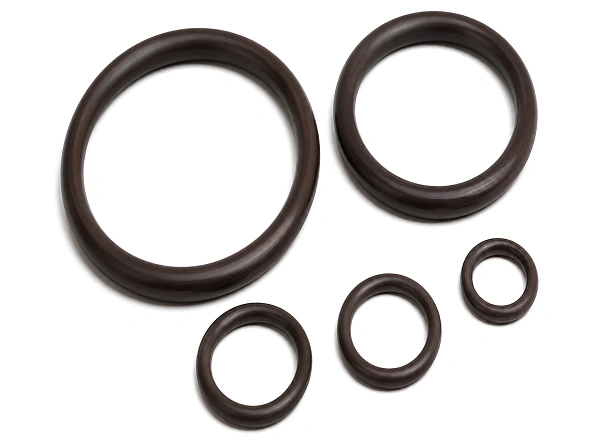
A practical guide on the service life of Viton O rings in high temperature conditions and how they compare with silicone and other sealing materials.
High temperatures are among the toughest conditions for any sealing system. In many industrial machines, heat is continuous and often combined with pressure, movement, or chemicals. This makes sealing performance even more critical.
Standard rubber O-rings typically lose their shape and strength when exposed to high heat. They may harden, crack, or lose sealing ability over time. This can lead to leaks and unplanned equipment shutdowns.
To handle such conditions, Viton O rings are widely used in industrial applications. They are known for their ability to perform well under high-temperature conditions compared with many standard elastomers. Additionally, materials such as silicone O rings and specially designed vulcanised O-ring are used depending on the application. Knowing these factors helps pick the right seal and extends its use, too
What Are Viton O Rings?
Viton O rings are sealing rings made from a material called FKM (fluoroelastomer). This material is specially designed to handle high temperatures and harsh working conditions.
They are commonly used in industrial systems where both heat and chemicals are present. Unlike standard rubber O-rings, Viton O rings maintain their shape and sealing ability even under continuous heat exposure.
Key features of Viton O-rings:
Superior Chemical Resistance: They resist degradation from a wide variety of fluids, including oils, fuels, mineral acids, and aromatic or chlorinated hydrocarbons that typically destroy standard rubber.
Low Gas Permeability: They are incredibly dense, making them excellent for preventing gas and fluid leaks in high-pressure or vacuum systems
Unmatched Durability: Compared to non-fluorinated elastomers like Nitrile (NBR), Viton is significantly more resistant to aging, oxidation, sunlight, ozone, and weather exposure.
Low Compression Set: These seals resist permanent deformation when compressed over long periods, maintaining a tight and reliable seal.
Because of these properties, Viton O rings are widely used in pumps, valves, engines, and chemical processing equipment.
In many heavy-duty applications, they are preferred over standard elastomers for their heat resistance
Temperature Limits of Viton O-Rings
Every sealing material has a working temperature range and Viton O rings are known to perform well in higher-temperature conditions compared to many other rubber materials.
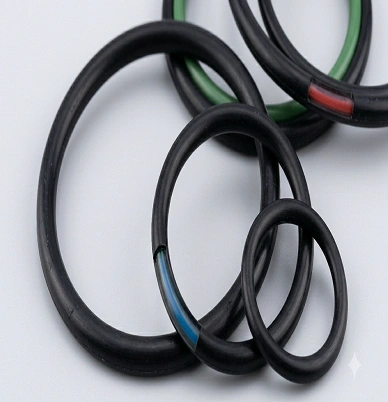
Extreme Temperature Range: They retain their elasticity and sealing properties in temperatures ranging from -20°C to 210°C (with specialized compounds handling even colder limits)
However, temperature alone does not determine performance. Prolonged exposure to extreme heat can gradually reduce elasticity and sealing strength.
Other factors, such as pressure, chemical exposure, and installation quality, also play an important role in how the material behaves.
This is why high temperature O rings must always be selected based on real operating conditions, not just temperature ratings.
How Long Do Viton O Rings Last in High Temperature Conditions
There is no fixed lifespan for Viton O rings in high temperature applications. Their lives depend mainly on how they are used and on the working conditions in the system.
In stable conditions with controlled heat, Viton O-rings can last for a long time and maintain reliable sealing. But in continuous high-heat or harsh operating environments, their lifespan decreases over time.
Key factors that affect lifespan:
⦁ Operating temperature level and consistency
⦁ Exposure time (continuous or intermittent heat)
⦁ Presence of chemicals or oils in the system
⦁ Pressure load and compression on the O-ring
⦁ Quality of installation and groove design
When all conditions are well controlled, high temperature O rings like Viton can perform consistently for long periods. But in extreme or fluctuating heat, wear happens faster.
In comparison, silicone O rings may handle wider temperature ranges but may not offer the same chemical resistance as Viton in industrial systems
Viton vs Silicone vs Other High Temperature O-Rings
Different materials behave differently under heat, so selecting the right one is important for performance and service life.
| Material Type | Temperature Range | Heat Resistance | Chemical Resistance | Chemical Limitations | Preferred Applications | Key Notes |
|---|---|---|---|---|---|---|
| Viton O-rings | -20°C to +200°C (-4°F to 392°F) |
High | Excellent (especially oils & chemicals) | Ketones, ethers, some esters, some alcohols | Oil sealing, chemical processing, automotive fuel systems, aerospace hydraulics, high-temperature industrial sealing | Strong choice for industrial sealing systems. Not ideal for water or steam environments |
| Silicone O-rings | -55°C to +200°C (-67°F to 392°F) |
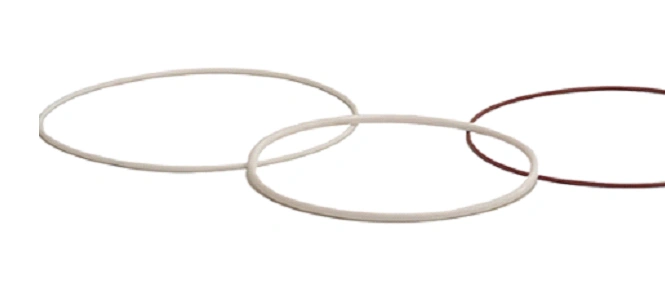
Very wide temperature range | Moderate | Non-polar organic compounds, aromatic hydrocarbons, strong solvents, oils | Food & beverage, pharmaceutical, medical devices, cryogenic applications, flexible temperature-cycling applications | Not ideal for strong chemical exposure. Excellent for applications needing flexibility across temperature changes |
| Vulcanised O-rings | -30°C to +250°C (-22°F to 482°F) (depends on elastomer) |
Depends on base material used | Depends on elastomer | Varies by elastomer selection (custom formulation) | Aerospace, high-temperature systems, pressure vessels, custom high-temperature sealing, specialized industrial applications | Used where standard molded O-rings are not suitable. Provides custom size and performance flexibility. Higher cost option |
Simple takeaway:
⦁ Viton O rings – Best for heat + chemical resistance
⦁ Silicone O rings – Best for wide temperature flexibility
⦁ Vulcanised O rings – Best for custom-sized sealing solutions in industrial setups
How to Improve Viton O-Ring Lifespan
Maximizing the lifespan of Viton (FKM) O-rings requires preventing friction, avoiding chemical and thermal degradation, and following proper installation practices. While Viton is highly resilient, applying the right mechanical, environmental, and maintenance practices will significantly extend its durability.
Proper Installation & Friction Reduction
⦁ Lubrication: Always apply a thin, compatible lubricant (like a stiff silicone grease or O-ring/vacuum grease) to the O-ring before installation to prevent wear, tearing, and pinching.
⦁ Avoid Stretching: Do not overstretch the O-ring during installation, as this can permanently deform the elastomer and cause premature failure.
⦁ Smooth Contact Surfaces: Ensure mating metal or plastic surfaces are polished and free of rough edges, burrs, or scratches that can abrade the seal.
Operational & Environmental Care
⦁ Prevent Extrusion: Ensure your piston-cylinder clearance is tight enough and the groove properly sized so that the O-ring does not get pinched or extruded under high fluid pressure.
⦁ Temperature Management: Keep operating temperatures within Viton’s typical limit (usually up to 200°C / 392°F). Prolonged exposure to extreme heat causes the material to lose its sealing force.
⦁ Proper Storage: If storing replacement O-rings, keep them in a dry, dark bag. Maintain storage temperatures below 25°C (77°F) and humidity below 75% to prevent premature aging.
Choosing the Right High Temperature O Ring
Selecting the right sealing solution for high-temperature applications depends on operating conditions such as heat levels, pressure, and chemical exposure. A proper match between material and application helps improve performance and service life.
Viton O rings are commonly used in systems where high temperatures are combined with exposure to oils, fuels, or chemicals. They offer stable performance in many industrial applications where heat is continuous. However, actual lifespan still depends on how well the system conditions are controlled.
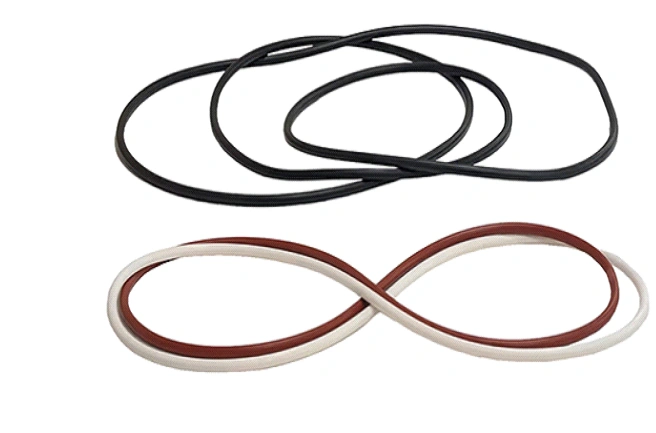
In applications requiring wider temperature flexibility, silicone O rings are often used. For custom sizing and static sealing requirements, vulcanised O rings are preferred where standard moulded options are not suitable.
For engineers and procurement teams working on industrial sealing requirements, KAF Vulcan India supports with application-based selection of high temperature O rings, including Viton and silicone sealing solutions designed for process and engineering industries. Our range of O rings and seals is stocked and ready for fast dispatch across industries where heat resistance and sealing reliability are critical.