
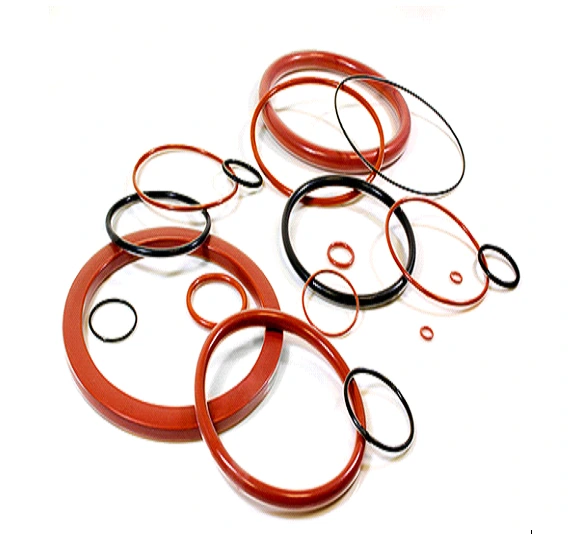
A simple guide to understanding PTFE encapsulated O rings and choosing the right type for strong acid resistance in industrial applications.
Strong acids are widely used in many industries, such as chemical processing, pharmaceuticals, and water treatment. But they are also very tough on sealing materials.
Normal rubber O-rings can get damaged quickly in such conditions. They may swell, harden, or lose their sealing ability over time. This can lead to leaks and equipment issues.
To handle such conditions, engineers often use PTFE encapsulated O-rings. These are also called teflon encapsulated O rings.
They are designed with a strong outer layer that resists chemicals, while the inner core provides flexibility for sealing. This combination helps them perform better in harsh environments compared to standard O-rings.
However, when it comes to strong acids, not all PTFE encapsulated O-rings perform in the same way. The type of material used inside and outside makes a big difference.
In this blog, we will look at which PTFE encapsulated O-rings resist strong acids best, and how to choose the right type for your application.
What is PTFE Encapsulated O-Rings?
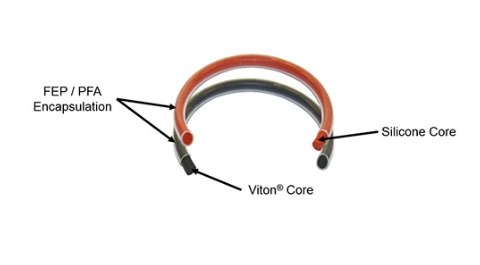
PTFE encapsulated O-rings are special sealing rings made with two parts:
⦁ An outer shell made of PTFE (also known as Teflon)
⦁ An inner elastic core made of rubber material
The outer PTFE layer provides strong chemical resistance, while the inner core provides the flexibility needed for sealing.
In simple terms, it combines chemical protection and elastic sealing performance in a single O-ring.
These are also commonly known as teflon encapsulated O rings in the industry. Depending on the application, the outer layer can be made of FEP or PFA, both fluoropolymers.
Where they are used:
⦁ Chemical processing equipment
⦁ Acid and solvent handling systems
⦁ Pharmaceutical production lines
⦁ Food and hygienic applications
⦁ Industrial pumps and valves
These O-rings are mainly used in static sealing applications where chemical exposure is high and long-term sealing is required.
Why PTFE Encapsulation Works Well Against Strong Acids
Strong acids can quickly damage normal rubber seals, but PTFE behaves differently.
The outer PTFE layer acts as a protective shield. It does not easily react with most chemicals, including strong acids. This helps prevent direct contact between the acid and the inner rubber core.
Key reasons why it works well:
⦁ PTFE has very high chemical resistance
⦁ It does not absorb or react with most acids
⦁ It forms a smooth barrier over the sealing surface
⦁ It protects the inner elastomer from direct exposure
Because of this structure, PTFE encapsulated O-rings can handle harsh chemical conditions better than standard elastomer O-rings.
However, performance still depends on:
⦁ Type of acid used
⦁ Temperature of operation
⦁ Choice of inner core material
So while the outer layer provides protection, selecting the right combination is still important for long-term performance.
Which PTFE Encapsulated O-Ring Type Performs Best in Strong Acids
Not all PTFE encapsulated O rings behave the same in strong acid applications. Their performance mainly depends on the outer shell type (FEP or PFA) and the inner core material.
Understanding this combination helps in selecting the right sealing solution for different industrial conditions.
⦁ FEP Encapsulated O-Rings
FEP-encapsulated O-rings are among the most commonly used types in chemical environments.
They have a PTFE-based outer layer that offers strong resistance to most acids and chemicals at moderate temperatures.
Key points:
⦁ Good resistance to strong acids under normal temperature conditions
⦁ Suitable for general chemical processing applications
⦁ Cost-effective option for standard acid handling systems
⦁ Works well in static sealing setups
These are widely used where chemical exposure is high, but temperature remains controlled.
⦁ PFA Encapsulated O-Rings (Higher Performance Option)
PFA-encapsulated O-rings offer higher performance than FEP versions.
They are preferred in more demanding environments where both strong acids and higher temperatures are present.
Key points:
⦁ Better thermal stability than FEP
⦁ More suitable for aggressive chemical + heat conditions
⦁ Improved long-term performance in harsh environments
⦁ Commonly used in critical process industries
Because of their stability, PFA-encapsulated O-rings are often selected for applications with more severe acid exposure.
⦁ Silicone Core vs Viton Core (Inside Material Matters)
Along with the outer shell, the inner core material also plays an important role in performance.
Teflon encapsulated silicone O rings
⦁ Better flexibility across a wide temperature range
⦁ Suitable for applications where temperature changes are frequent
⦁ Common in clean and general chemical environments
⦁ Not always preferred for very aggressive acid conditions
Teflon encapsulated Viton O rings / PTFE encapsulated Viton O ring
⦁ Better resistance to chemicals and fuels
⦁ Performs well in harsh industrial environments
⦁ Suitable for strong acid and high-performance applications
⦁ Offers better compression behaviour under pressure
Simple Selection View
⦁ FEP + Silicone core – General acid service, moderate conditions
⦁ FEP + Viton core – Better chemical resistance with improved durability
⦁ PFA + Viton core – Best choice for strong acids + higher temperature conditions
In most strong-acid applications, PFA-encapsulated O-rings with a Viton core are generally preferred when both chemical exposure and temperature are high. However, final selection always depends on actual operating conditions.
Material Selection Guide for Acid Applications
Choosing the right PTFE encapsulated O rings is not only about FEP or PFA. It also depends on how and where the seal is used. In strong-acid applications, a small change in conditions can affect performance.
Here are the main factors engineers should consider before selection:
Type of acid
Different acids behave differently on sealing materials.
⦁ Strong mineral acids like sulfuric or hydrochloric acid need higher resistance
⦁ Oxidising acids require more stable material combinations
⦁ A mixture of chemicals needs careful compatibility checking
Operating temperature
Temperature plays a major role in performance.
⦁ FEP works well in moderate temperature conditions
⦁ PFA is preferred when the temperature is higher and more stable performance is needed
Static or moving application
Static sealing (flanges, vessels, pipes) → ideal for encapsulated O-rings
Moving or dynamic systems → require careful evaluation, as encapsulated designs are mainly suited for static use
Exposure level
⦁ Continuous acid contact needs higher-grade combinations like PFA with Viton core
⦁ Occasional or short-term exposure can work with standard FEP-based options
Core material compatibility
Even though the outer layer is PTFE, the inner core still matters.
⦁ Silicone core – flexible and temperature-friendly
⦁ Viton core – better chemical resistance and durability
A balanced selection helps improve sealing life and reduces maintenance issues in acid-heavy environments.
Common Industrial Applications
PTFE encapsulated O rings are widely used within several different industries where the resistance of the product to a particular type of chemical is important. Their resistance to very strong acids makes them applicable for use in a variety of different process environments.
⦁ Chemical processing plants
Chemical processing plants use O-rings in pumps, reactors, and pipelines where acids and solvents flow. The rings keep seals tight even with harsh chemicals.
⦁ Pharmaceutical industry
The pharmaceutical industry uses O-rings in its gear because these parts need to be super stable chemically and ultra-clean.
⦁ Semiconductor manufacturing
In semiconductor systems, O-rings are used in systems that handle very pure chemicals and harsh acids. So the materials must stay stable to handle those rough conditions.
⦁ Water treatment systems
Found in dosing systems and treatment units where corrosive chemicals are used for purification.
⦁ Oil & gas and process industries
O-rings are utilized in equipment which has direct contact with aggressive fluids, and whose operating conditions vary considerably (especially at static sealing points).
Benefits of PTFE Encapsulated O-Rings in Acid Environments
PTFE encapsulated O-rings are widely used in strong acid applications because they offer a balanced sealing performance in harsh conditions.
Key benefits:
⦁ Strong outer PTFE layer protects against chemical attack
⦁ Better resistance to strong acids compared to standard rubber O-rings
⦁ Suitable for long-term use in static sealing applications
⦁ Low friction surface helps in smooth assembly and fitting
⦁ Flexible core supports consistent sealing pressure
⦁ Available in different combinations like teflon encapsulated silicone O rings and teflon encapsulated Viton O rings
These features make them a reliable choice for industries where chemical exposure is continuous and demanding.
Engineering Considerations Before Selection
Before selecting a PTFE encapsulated O ring, engineers should check a few important points to avoid performance issues.
Key considerations:
⦁ Confirm the type and strength of acid used in the process
⦁ Check the operating temperature range carefully
⦁ Ensure the application is mainly static sealing
⦁ Select the correct core material (Silicone or Viton) based on conditions
⦁ Verify groove design and compression space
⦁ Avoid improper handling during installation to prevent damage to the PTFE layer
A proper selection based on these factors helps improve sealing life and reduces the risk of failure in critical systems.
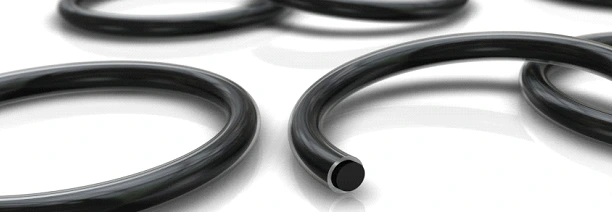
Choosing the Right Encapsulated O-Ring for Strong Acid Applications
Choosing the right seal for strong acids is all about the chemicals involved and how you operate them. PTFE encapsulated O rings are popular since the outer layer resists chemical damage really well. Plus, the inner core keeps things flexible and stays sealed.
For moderate acid exposure, FEP encapsulated O-rings are often suitable, while PFA encapsulated O-rings are preferred in higher temperature and more aggressive acid conditions. The inner core also matters, where teflon encapsulated silicone O rings are used for flexibility needs and teflon encapsulated Viton O rings are chosen for tougher chemical environments.
At KAF Vulcan India, we supply O rings and seals across a range of encapsulated sealing solutions designed for chemical and process applications. Engineers can reach out for application-based selection support to ensure the right O ring and seal material is used for reliable performance