
In high-temperature industrial environments, standard adhesive tapes fail quickly. They melt, crack, or lose their bond under heat. Fiberglass tape is built for conditions where regular materials simply cannot perform.
This guide covers what fiberglass tape is, how it works, where it is used, and how to choose the right type for your application.
What Is Fiberglass Tape?
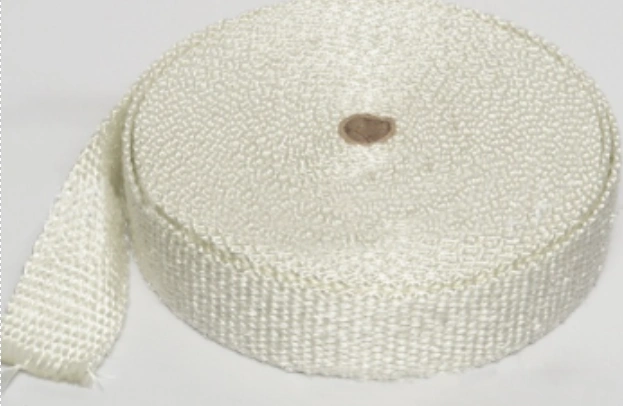
Fiberglass tape is a woven or knitted tape made from glass fibre yarns. It is designed to withstand high temperatures, resist chemicals, and provide thermal insulation in industrial applications.
Unlike standard tapes, fiberglass tape does not burn or melt. It maintains its structure and insulating properties even at extreme temperatures, making it a reliable solution for sealing, wrapping, and insulating equipment in demanding environments.
It is also known as glass fibre tape or hi-silica tape depending on the grade and composition used.
How Fiberglass Tape Works
Fiberglass tape works by creating a heat-resistant barrier around pipes, ducts, cables, or equipment surfaces.
The glass fibre weave traps air within its structure, which slows down heat transfer. This protects the surface underneath from direct heat exposure and reduces energy loss from hot pipework.
When used as a sealing or wrapping tape, it also prevents direct contact between hot surfaces and surrounding materials, reducing fire risk and thermal damage.
Types of Fiberglass Tape
Not all fiberglass tape is the same. Different grades suit different temperature ranges and applications.
Standard Fiberglass Tape Made from E-glass fibre yarns. Handles temperatures up to approximately 550°C. Used for general industrial insulation, pipe wrapping, and cable protection. Cost-effective and widely available.
Hi-Silica Fiberglass Tape Made from high-silica glass fibre with a silica content above 96%. Handles temperatures up to 1000°C and beyond. Used in furnaces, foundries, and extreme heat environments where standard fiberglass would degrade.
Vermiculite Coated Fiberglass Tape Standard fiberglass tape coated with vermiculite for improved abrasion resistance and higher temperature performance. Common in exhaust wrapping, expansion joints, and fire protection applications.
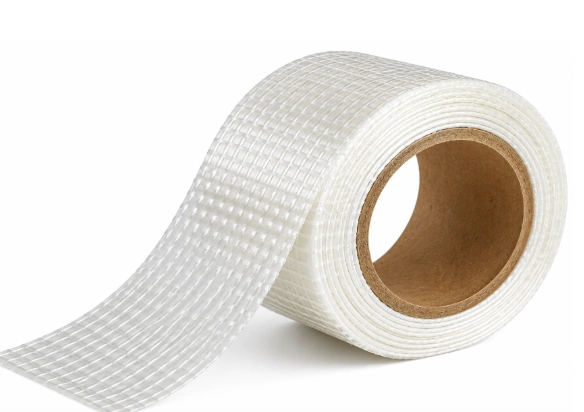
Self-Adhesive Fiberglass Tape Fiberglass tape with a pressure-sensitive adhesive backing. Used for quick installation on ducts, pipes, and insulation joints. Suited for moderate temperature applications.
Where Fiberglass Tape Is Used
Fiberglass tape is used across a wide range of industries wherever heat, fire, or chemical resistance is needed.
Furnaces and kilns — used to seal door frames, expansion joints, and access panels where high heat exposure is continuous.
Boilers and steam systems — wraps pipework and flanges to reduce heat loss and protect personnel from contact burns.
Exhaust systems — wraps exhaust pipes and manifolds in automotive, marine, and industrial engines to manage heat and reduce under-hood temperatures.
Electrical cable protection — used as a fire-resistant wrapping around cable bundles in industrial plants and marine installations.
Duct sealing — seals joints in HVAC and industrial ventilation ductwork to prevent air leakage and improve thermal efficiency.
Chemical plants — used on pipework carrying hot process fluids where both heat and chemical resistance are required.
Welding and fire protection — placed around equipment or structures near welding zones to protect from sparks and heat splatter.
Key Properties to Look for in Fiberglass Tape
When selecting fiberglass tape, these are the properties that matter most.
Temperature rating — confirm the maximum continuous operating temperature the tape will face. Standard grades go to 550°C. Hi-silica grades go beyond 1000°C.
Tensile strength — the tape must hold its shape and not tear during installation or under mechanical stress in service.
Weave density — a tighter weave provides better insulation and a smoother surface finish. Looser weaves are more flexible but less thermally efficient.
Chemical resistance — in chemical plant environments, the tape must resist contact with process fluids, steam, and cleaning agents.
Width and thickness — match the tape dimensions to the pipe diameter or surface being wrapped. Wider tapes cover larger surfaces faster. Thicker tapes provide more insulation per layer.
Coating — Coating — coated tapes, such as vermiculite-coated or silicone-coated variants, offer enhanced abrasion resistance and improved performance in demanding industrial environments. They are often used alongside sealing solutions like a high temperature o ring to create comprehensive thermal protection systems.
How to Choose the Right Fiberglass Tape
Follow these steps before selecting a fiberglass tape for your application.
- Confirm the maximum operating temperature the tape will be exposed to continuously
- Identify whether the application is insulation, sealing, wrapping, or fire protection
- Check if chemical resistance is needed alongside heat resistance
- Measure the pipe, duct, or surface dimensions to select the correct width and thickness
- Confirm whether a coated grade is needed for abrasion or mechanical protection
- Check if any fire or safety certifications are required for your industry
- Getting the grade right from the start avoids early failure, rework, and additional cost.
Conclusion
Fiberglass tape is a straightforward product, but choosing the wrong grade for your temperature or application leads to early failure and safety risks. Whether you need standard glass fibre tape for pipe wrapping or hi-silica tape for furnace door sealing, matching the product to the actual operating conditions is what delivers reliable long-term performance.
At KAF Vulcan India, we supply fiberglass tape and a comprehensive range of high-temperature insulation and sealing solutions, including O Rings and Seals, hi-silica rope, ceramic rope, sleeves, and tadpole gaskets. Our team supports engineers and procurement teams with product selection across process, chemical, marine, and industrial applications. Contact us with your requirements and we will help you find the right solution.
FAQs
What is fiberglass tape used for?
Fiberglass tape is used for thermal insulation, pipe wrapping, duct sealing, exhaust wrapping, cable protection, and fire protection in high-temperature industrial environments. It is designed to withstand heat where standard tapes fail.
What temperature can fiberglass tape handle?
Standard fiberglass tape handles up to approximately 550°C. Hi-silica fiberglass tape handles temperatures above 1000°C. The correct grade depends on the maximum continuous temperature of your application.
Is fiberglass tape the same as hi-silica tape?
No. Hi-silica tape is a higher-grade version of fiberglass tape with a silica content above 96%. It handles significantly higher temperatures than standard fiberglass tape and is used in more extreme environments such as furnaces and foundries.
Can fiberglass tape be used outdoors?
Yes. Fiberglass tape is resistant to moisture, UV exposure, and weathering, making it suitable for outdoor pipe and duct insulation applications. Coated grades offer additional protection in exposed environments.
How do I install fiberglass tape on a pipe?
Start at one end of the pipe and wrap the tape in overlapping layers at a consistent angle, typically 50% overlap per layer. Secure the end with a high-temperature adhesive or wire. Ensure the surface is clean and dry before installation.
What is the difference between standard and vermiculite coated fiberglass tape? Standard fiberglass tape provides basic heat and insulation resistance. Vermiculite coated tape adds abrasion resistance and improved temperature performance, making it better suited for exhaust wrapping, expansion joints, and applications with mechanical wear.
Does KAF Vulcan India supply fiberglass tape in custom widths?
Yes. KAF Vulcan India supplies fiberglass tape in a range of widths and thicknesses. Share your application requirements and dimensions and we will confirm the right product for your needs.