
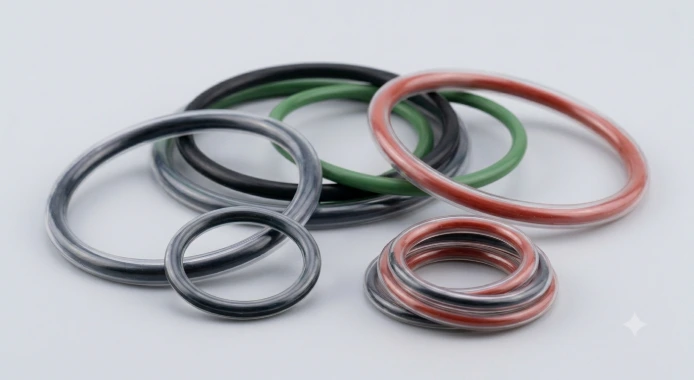
Explore why FEP encapsulated O-rings perform better than standard rubber seals in chemical and industrial applications where reliability matters.
In many industrial systems, seals play a small but critical role. A single sealing failure can lead to leakage, downtime, and equipment damage. This is why choosing the right sealing material is important for long-term performance.
Standard rubber seals are widely used because they are cost-effective and easy to install. However, under demanding conditions such as chemicals, heat, or continuous operation, they can begin to lose performance over time. Issues such as swelling, hardening, or premature wear are common in such environments.
To overcome these limitations, FEP encapsulated O rings are used in many industries. These seals are designed with a protective outer layer that improves resistance against harsh chemicals and operating conditions. Because of this structure, they are often preferred over standard rubber seals in critical applications.
In this blog, we will understand what makes FEP encapsulated O rings a better choice in such environments and how they compare with standard sealing solutions.
What Are Standard Rubber Seals?
Standard rubber seals are basic O-rings made from common elastomers such as NBR, EPDM, and similar compounds. They are widely used across industries because they are affordable, easy to produce, and suitable for general sealing needs.
These seals perform well under normal conditions with limited temperature and chemical exposure. You will often find them in pumps, basic machinery, plumbing systems, and light industrial equipment
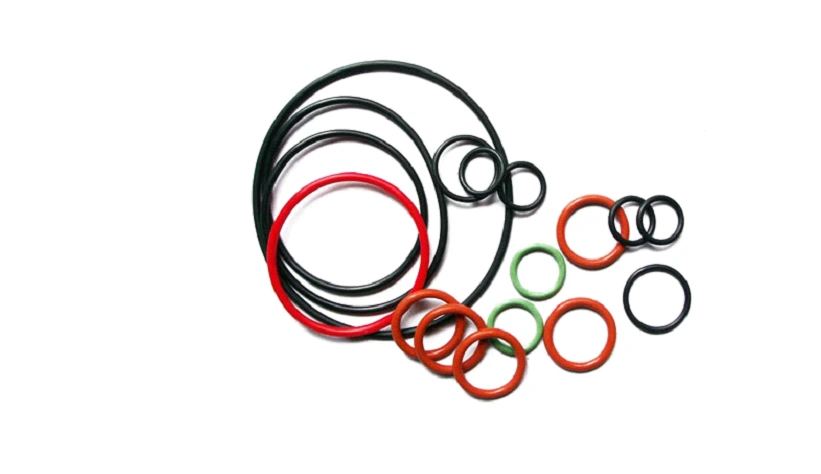
Common limitations of rubber seals:
⦁ Can swell or degrade in chemical exposure
⦁ Lose elasticity in high temperature conditions
⦁ Wear out faster in continuous operation
⦁ Not suitable for aggressive fluids or strong solvents
Because of these limitations, standard rubber seals are not ideal for harsh industrial environments where long-term reliability is required.
What Are FEP Encapsulated O-Rings?
FEP encapsulated O rings are advanced sealing solutions made with a combination of two materials. They have a strong outer layer of FEP (fluorinated ethylene propylene) and an inner elastomer core.
The outer FEP layer acts as a protective shield. It helps resist chemicals, acids, and other aggressive media. The inner core provides flexibility and helps maintain proper sealing compression.
A common variation is the FEP encapsulated silicone O rings, where silicone is used as the inner core for better flexibility across temperature changes.
These O-rings are primarily used in applications where standard rubber seals fail under chemical or environmental stress. They are widely preferred in static sealing applications across chemical, pharma, and process industries.
Key Differences Between FEP Encapsulated O-Rings and Rubber Seals
The main difference between standard rubber seals and FEP encapsulated O rings lies in their structure and how they perform under harsh conditions. While rubber seals are suitable for general use, encapsulated designs are built for demanding industrial environments.
| Feature | Standard Rubber Seals | FEP Encapsulated Rings |
|---|---|---|
| Chemical Resistance | Limited | High resistance due to the FEP outer layer |
| Temperature Performance | Moderate | Better stability across a wider operating temperature range |
| Durability | Wears faster in harsh conditions | Longer service life in aggressive environments |
| Swelling Risk | High in chemicals and solvents | Very low due to the protective FEP layer |
| Application Suitability | General or light-duty applications | Ideal for chemical, pharmaceutical, and process industries |
| Maintenance Needs | Requires more frequent replacement | Lower replacement frequency in suitable applications |
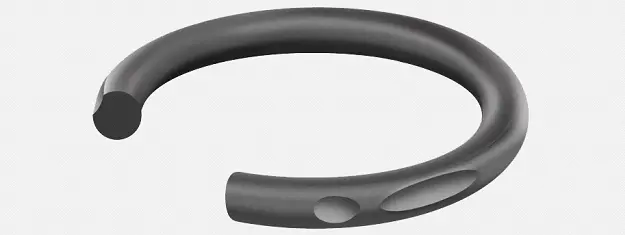
In simple terms, FEP encapsulated O rings are designed to perform where standard rubber seals start to fail. Below is the image for silicone o rings
Why FEP Encapsulated O Rings Perform Better in Harsh Conditions
The main reason FEP encapsulated O rings perform better is because of their protective outer layer. This FEP layer acts as a barrier between the internal elastomer core and the surrounding chemicals or fluids.
Unlike standard rubber seals, the surface does not directly react with acids, solvents, or aggressive process media. This helps reduce degradation and improves sealing stability over time.
At the same time, the inner core remains flexible, allowing the seal to remain compressed and functional even during continuous operation. This balance of protection and flexibility is what makes encapsulated designs more reliable in harsh industrial environments.
Because of this structure, FEP encapsulated O rings are commonly used in applications where failure is not an option, especially in chemical and process industries.
Industrial Applications of FEP Encapsulated O-Rings
FEP-encapsulated O rings are commonly used in industries where they’re exposed to chemicals, temperature fluctuations, and continuous operation. They handle these harsh conditions well, making them perfect for critical equipment.
Common applications include:
⦁ Chemical processing plants: for pumps, valves, reactors, and transfer lines handling aggressive fluids
⦁ Pharmaceutical industry: used in equipment where chemical stability and clean operation are important
⦁ Food & beverage processing: in systems requiring resistance to cleaning chemicals and process fluids
⦁ Semiconductor industry: used in wet processing systems with high-purity chemicals
⦁ Water treatment plants: in dosing systems and chemical handling units
In all these applications, FEP encapsulated O rings are preferred where standard rubber seals cannot maintain consistent performance.
Material Variants: Silicone vs Other Core Combinations
The performance of FEP encapsulated O rings also depends on the type of inner core used inside the seal. Different elastomer cores are selected based on application needs such as temperature, flexibility, and sealing pressure.
FEP encapsulated silicone O rings
These are one of the most commonly used combinations.
⦁ Offer good flexibility across a wide temperature range
⦁ Suitable for applications with moderate chemical exposure
⦁ Maintain stable sealing in dynamic temperature conditions
Other elastomer core options
Besides silicone o ring, other elastomers are chosen too, based on what’s needed. They might require higher resistance or unique mechanical properties for certain conditions. So, selections also depend on specific process requirements.
Selection depends on:
⦁ Temperature range – operating heat and variation in conditions
⦁ Chemical exposure – type and strength of fluids or chemicals
⦁ Compression needs – sealing pressure and application design
Choosing the right core combination ensures better performance and longer service life of FEP encapsulated O rings in industrial applications.
Choosing the Right Encapsulated O-Ring Supplier
The performance of a sealing system depends not only on the product design but also on the supplier’s quality and reliability. In critical industrial applications, even small variations in materials or manufacturing processes can affect sealing performance over time.
This is why selecting the right encapsulated Oring supplier or encapsulated O rings manufacturer becomes an important part of the decision-making process, especially in chemical, pharma, and process industries.
A reliable supplier should provide:
⦁ Consistent quality and controlled manufacturing standards
⦁ Proper application-based selection support
⦁ Availability of different options like FEP encapsulated O-rings and FEP encapsulated silicone O-rings
⦁ Experience in handling demanding industrial sealing requirements
In this space, KAF Vulcan India supports industries with engineered O rings and seals solutions and application-focused guidance for FEP encapsulated O rings used in chemical and process environments. As experienced encapsulated O rings manufacturers, our focus remains on delivering reliable O rings and seals that ensure dependable sealing performance for critical industrial applications.