
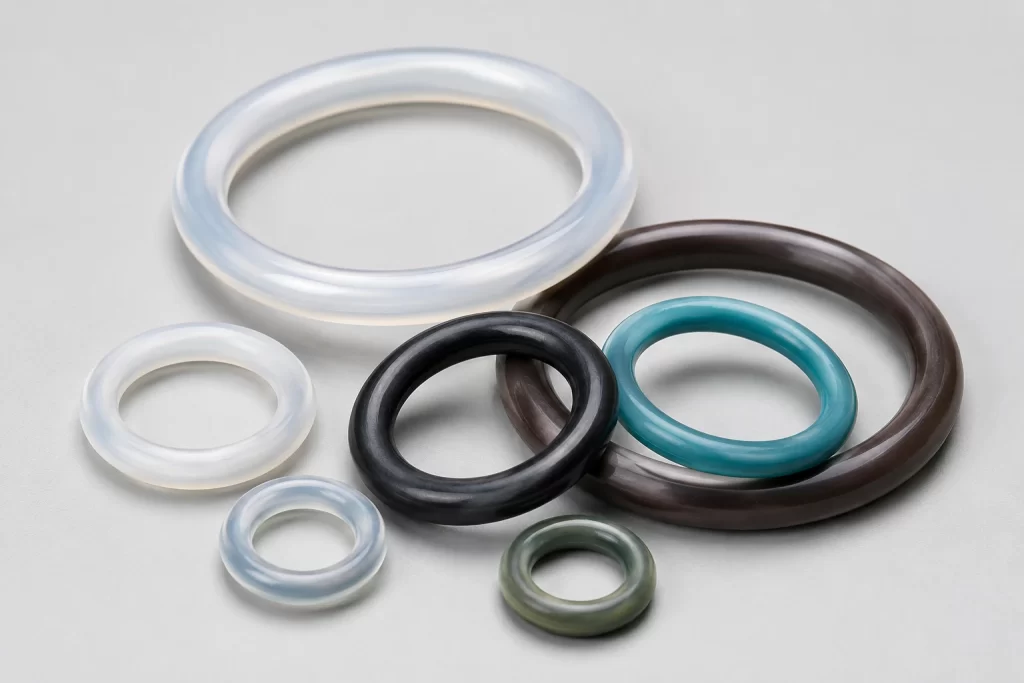
O-rings are one of the most widely used sealing components globally. These simple, circular rings made of elastomer or rubber are widely used in pumps, pipes, valves, and countless types of machinery. By sitting in a groove and compressing between two surfaces, they create a secure seal that prevents fluids or gases from escaping.
While standard O-rings work well in many everyday applications, they face limitations in more demanding environments. Exposure to aggressive chemicals, extreme heat, or high-pressure cycles can cause them to swell, crack, or lose elasticity. This is where encapsulated O rings come into play. Designed for durability and reliability, they combine the flexibility of an elastomer core with the toughness of a polymer jacket, making them the ideal choice for industries where failure is not an option.
What Are Encapsulated O-rings?
An encapsulated O-ring is a type of hybrid seal that consists of an elastomer core, usually silicone or Viton, encased within a protective layer made of high-performance polymers like FEP or PFA. This design offers the best of both materials: elasticity from the core and chemical and temperature resistance from the jacket.
For example, FEP encapsulated O-rings are widely used because of their affordability and ability to resist many chemicals. In contrast, PFA encapsulated O-rings deliver even greater durability in high-heat and aggressive environments. Depending on the application’s needs, the core can be selected for flexibility or compression resistance, ensuring the O-ring performs effectively under varied conditions.
This layered design makes encapsulated O-rings reliable sealing solutions across industries that face continuous challenges from extreme operating conditions.
Why Choose Encapsulated O-rings?
Encapsulated O-rings have become essential in industries where standard seals fail quickly. Their advantages make them a preferred option for engineers and maintenance teams:
- Strong chemical resistance – The polymer jacket withstands acids, bases, and solvents that degrade ordinary elastomers.
- Temperature Performance – FEP-encapsulated silicone O-rings (-60°C to 200°C) and PFA-encapsulated silicone O-rings (-60°C to 260°C continuously, with short-term peaks up to 300°C) are designed to deliver reliable performance across extreme conditions, maintaining their effectiveness in both freezing environments and elevated heat applications.
- Durability – Their resistance to wear and compression set extends service life and reduces the frequency of replacements.
- Hygienic sealing – Smooth outer surfaces make them suitable for sensitive applications in the food, beverage, and pharmaceutical industries.
- Cost efficiency – Longer-lasting seals mean reduced downtime and lower maintenance costs.
In critical operations where contamination, leakage, or downtime are not an option, encapsulated O-rings provide a reliable sealing solution you can trust.
Types of Encapsulated O-rings
There are two primary jacket materials that define the performance of encapsulated O-rings.
- FEP-encapsulated O-rings are the most common choice due to their broad chemical resistance and cost-effectiveness. When combined with a silicone core, they remain flexible even in low temperatures, while pairing with a Viton core enhances durability under high-pressure applications. These O-rings reliably operate across temperatures ranging from -60°C to 200°C.
- PFA-encapsulated O-rings are engineered for more demanding environments. Offering superior resistance to aggressive chemicals and high heat compared to FEP, they are widely used in industries that involve frequent sterilization cycles or exposure to corrosive media. PFA encapsulated silicone O-rings perform consistently from -60°C to 260°C in continuous service and can withstand short-term peaks up to 300°C.
The choice between silicone and Viton cores depends on application needs. Silicone works best for flexibility and low-temperature sealing, while Viton ensures stronger compression resistance under demanding pressures. That’s why partnering with experienced encapsulated o rings manufacturers helps select the right combination for your specific process.
Applications Across Industries
Encapsulated O-rings are vital in sectors where seal failure can cause serious risks. Their versatility makes them a trusted choice in the following industries:
- Food and Beverage Production: These seals maintain hygienic barriers that prevent contamination while withstanding aggressive cleaning and sterilization cycles. They ensure safety and compliance in processing environments.
- Pharmaceutical and Biotech: Used in sterile facilities; encapsulated O-rings deliver reliable sealing where purity is non-negotiable. They help protect product integrity and meet strict regulatory requirements.
- Chemical Processing: Their resistance to harsh caustics, acids, and solvents makes them essential in plants where standard elastomers quickly degrade. This ensures continuous, safe operations.
- Oil and Gas Operations: Designed to perform under extreme pressure and fluctuating temperatures, they provide dependable sealing in demanding field conditions, reducing downtime and risks.
- Aerospace and Electronics: In systems that demand high precision and durability, these seals deliver long-lasting reliability. They help safeguard sensitive equipment and maintain operational accuracy.
Across industries, encapsulated O-rings are chosen as critical safeguards, trusted to protect processes, people, and performance.
Choosing the Right Encapsulated O-ring
Selecting the right encapsulated O-ring is not just about size—it requires a clear understanding of the working environment. Chemical compatibility, temperature range, pressure levels, and regulatory standards all influence the choice. For example, a silicone core may be best for low-temperature performance, while Viton is more suitable for high-pressure systems.
Industries such as food and pharmaceuticals also require seals that comply with hygiene regulations. This makes it important to work with trusted encapsulated O-ring manufacturers or FEP Viton Orings suppliers who understand these requirements and can provide tested, certified solutions.
The Smarter Sealing Choice with KAF-Vulcan India
Encapsulated O-rings deliver unmatched performance in industries where reliability is non-negotiable. Whether it’s FEP encapsulated O-rings for cost-effective chemical resistance or PFA encapsulated silicone O-rings for high-demand environments, they offer a balance of flexibility, durability, and safety. Their ability to extend service life and prevent failures makes them the more intelligent choice for businesses across sectors.
At Kaf Vulcan India, we take pride in delivering more than just products, we provide solutions. As experienced encapsulated O-ring manufacturers and FEP Viton Orings suppliers we design sealing solutions tailored to your industry’s needs. From food and pharmaceuticals to chemical processing and beyond, our expertise ensures that you get precision-engineered products backed by reliable service. Get in touch with our team today to explore the right encapsulated O-ring solution for your operations.