Sealing solutions are critical in almost every industry, from chemical processing and pharmaceuticals to aerospace and food manufacturing. At the heart of these systems is the o ring and seal, a small yet vital component that prevents leaks and maintains pressure integrity. Standard elastomer O-rings work effectively in many situations, but they may struggle under extreme conditions like high pressure, harsh chemicals, or very low temperatures.
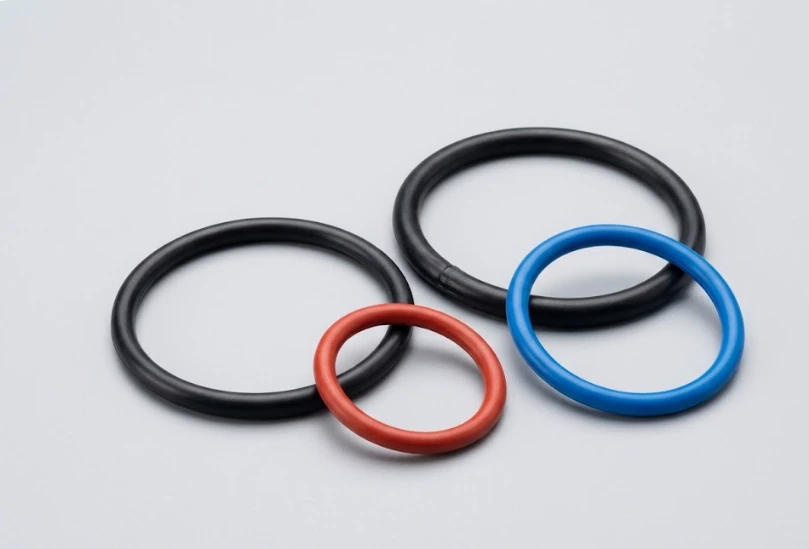
This is where vulcanised O-rings come in. Created through a vulcanization process that strengthens the elastomer, these O-rings offer a seamless structure, improved elasticity, and superior mechanical stability. Whether you are using a Viton Oring for chemical resistance or a Silicone Oring for temperature flexibility, vulcanized O-rings ensure reliable performance where standard O-rings may fail.
What Are Vulcanized O-Rings?
Vulcanized O-rings are manufactured using a process that chemically crosslinks the elastomer molecules. This vulcanization strengthens the material, improving its resilience, elasticity, and ability to maintain shape under pressure. Unlike molded O-rings that may have seams or weak points, vulcanized O-rings are typically seamless, reducing the risk of leaks and increasing their lifespan.
The process allows the creation of O-rings that can handle extreme temperatures, resist a wide range of chemicals, and endure repeated compression cycles. These attributes make vulcanized O-rings a superior choice for critical applications where safety and reliability are essential. Combining this with a robust o ring and seal design ensures that mechanical systems operate efficiently and securely, even in challenging conditions.
Advantages of Vulcanized O-Rings
Vulcanized O-rings provide multiple benefits that make them preferable in demanding industrial settings:
- Seamless Construction: Reduces potential leak paths, providing a reliable O-ring and seal in high-pressure systems. The seamless design minimizes weak points, ensuring long-term performance even under repeated stress.
- Enhanced Chemical Resistance: A Viton Oring can withstand aggressive acids, solvents, and industrial chemicals without degrading. This protects equipment and prevents costly downtime due to O-ring and seal failure.
- Temperature Flexibility: Silicone Oring solutions maintain elasticity in both high heat and low temperature O-rings conditions, making them suitable for processes with frequent temperature fluctuations.
- Durability and Longevity: Vulcanized O-rings resist compression set, swelling, and mechanical wear. Their extended lifespan reduces maintenance frequency and lowers operational costs.
- Precision Sealing: Maintains dimensional stability even under dynamic or fluctuating pressures. This ensures consistent performance in both static and moving parts where a dependable O-ring and seal is critical.
These advantages make vulcanized O-rings indispensable in industries where seal failure could lead to costly downtime or safety hazards.
Applications Across Industries
Vulcanized O-rings are widely used across diverse sectors:
- Aerospace: Vulcanized O-rings ensure fuel systems, hydraulics, and landing gear operate reliably at varying altitudes. Low temperature o rings are crucial for components exposed to extreme cold during flight.
- Chemical Processing: Viton Oring seals withstand aggressive chemicals in reactors, pipelines, and valves. Their resistance ensures uninterrupted operations in challenging chemical environments.
- Food and Beverage: Hygienic sealing is critical for preventing contamination. O ring and seal designs maintain safe production while enduring cleaning chemicals and temperature cycles.
- Oil & Gas: Equipment in this sector faces high pressures and fluctuating temperatures. Vulcanized O-rings provide durability and reliability, preventing leaks in pumps, valves, and pipelines.
In each case, vulcanized O-rings provide the strength, resilience, and chemical resistance necessary to keep operations smooth and safe.
Choosing the Right Vulcanized O-Ring
Selecting the appropriate vulcanized O-ring involves considering several factors:
- Material Choice: A Viton Oring is ideal for chemical-heavy environments, while a Silicone Oring is suited for temperature extremes.
- Temperature Requirements: Vulcanized O-rings are engineered to remain flexible and effective across a wide temperature range, ensuring reliable sealing performance even in extreme operating conditions.
- Pressure and Mechanical Stress: Vulcanized O-rings resist compression set and maintain their shape, ensuring a stable seal even in dynamic systems.
- Compatibility with Fluids: Ensure the O-ring material is chemically compatible with the liquids or gases it will contact.
Working with a knowledgeable supplier ensures that the vulcanized O-ring chosen will meet both performance and compliance requirements for the specific application.
Reliable Sealing with Vulcanized O-Rings
Vulcanized O-rings deliver unmatched sealing performance in applications where reliability, durability, and chemical resistance are essential. With options ranging from Viton O-rings to Silicone O-rings, they provide long-lasting protection across demanding industrial environments. Their seamless construction, resistance to compression set, and excellent chemical stability make them a vital choice for engineers who need robust and efficient sealing solutions.
At KAF-Vulcan India, we specialize in delivering high-quality o ring and seal solutions designed for diverse industries. Our expertise spans material selection, precise manufacturing, and tailored advice to ensure you get the right seal for your application. Connect with our team today to explore how our Vulcanized O-Rings can enhance the reliability and safety of your operations.